

THIS week marked a profound loss across the world of entertainment. From Malcolm Jamal-Warner’s multifaceted artistry to Ozzy Osbourne’s pioneering metal legacy, Chuck Mangione’s smooth jazz elegance, and Hulk Hogan’s outsized presence in the ring—each of them have left a distinct mark on global culture. Their careers spanned decades, and their influences resonate far beyond their lifetimes.
As details around each death emerge, fans and colleagues continue to mourn and celebrate their lives. Warner’s compassionate spirit and artistic versatility; Osbourne’s dark, rebellious genius; Mangione’s graceful melodies; Hogan’s flamboyant showmanship—all remind us that in different genres and fields, they each achieved greatness.
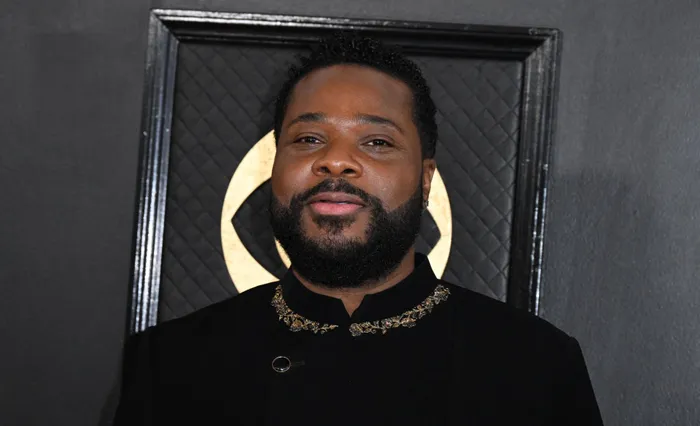
US actor Malcolm-Jamal Warner
Image: Robyn Beck/ AFP
(Actor, musician, poet; best known as Theo Huxtable on The Cosby Show)
Warner died unexpectedly on Sunday July 20, at age 54, due to accidental drowning while vacationing with family in Costa Rica. Travelers on Playa Cocles were pulled out to sea by a powerful rip current. Although bystanders—including a visiting doctor—and Red Cross crews attempted resuscitation, he was pronounced dead at the scene; authorities officially ruled the cause as asphyxiation by submersion.
Warner rocketed to fame as Theo Huxtable, the quintessential teen son on NBC’s hit sitcom The Cosby Show (1984–1992), earning a 1986 Emmy nomination for Outstanding Supporting Actor in a Comedy Series.
He went on to star in Malcolm & Eddie (1996–2000), Reed Between the Lines (2011–2015), and The Resident (2018–2023). Beyond acting, Warner was a Grammy‑winning musician (2015’s Best Traditional R&B Performance), noted poet, and podcast host of Not All Hood, a series exploring Black American experiences.
Tributes poured in from peers including Tracee Ellis Ross, Jennifer Hudson, Angela Bassett, Jamie Foxx, and Magic Johnson—many remembering Warner’s warmth, generosity, and cultural influence. Bill Cosby, who played his TV father, expressed deep sorrow, comparing Warner’s death to the tragic loss of his own son Ennis Cosby.
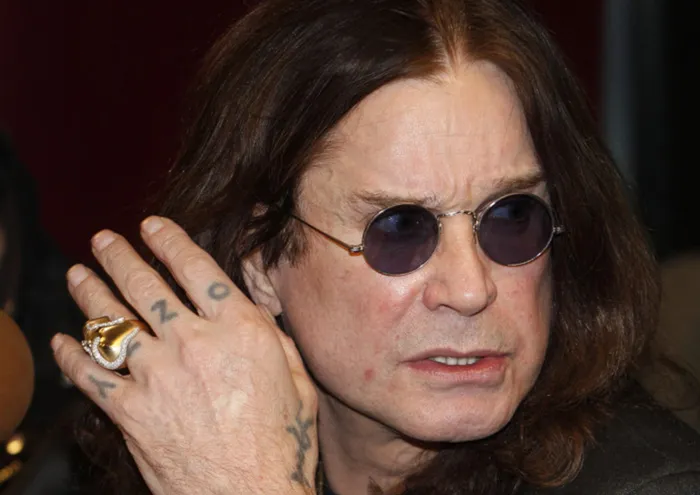
Rock musician Ozzy Osbourne
Image: File
(Iconic heavy metal frontman, founder of Black Sabbath)
Ozzy Osbourne, the legendary “Prince of Darkness” who rose to fame as the lead singer of Black Sabbath, died on Tuesday, July 22 at age 76. While the specific cause of death was not publicly detailed, Osbourne had battled multiple long‑term health issues, including Parkinson’s disease (diagnosed in 2019) and emphysema because of smoking. A statement from his family confirmed he passed surrounded by loved ones, just 17 days after his farewell concert performance on July 5 in Birmingham.
Osbourne was revered for his pioneering role in the creation of heavy metal, fronting Black Sabbath from their 1970 debut through landmark albums such as Paranoid, Master of Reality, and Sabbath Bloody Sabbath. After leaving the band in 1979, he launched a massively successful solo career—releasing Blizzard of Ozz in 1980 and 13 studio albums, with the first seven going multi‑platinum. He returned to Black Sabbath for their final album, 13 (2013), and farewell tour ending in 2017. He also won five Grammy Awards across his career.
Friends and fellow musicians—from Tony Iommi to Metallica—praised Osbourne’s magnetic stage presence, originality, and role in shaping modern rock.
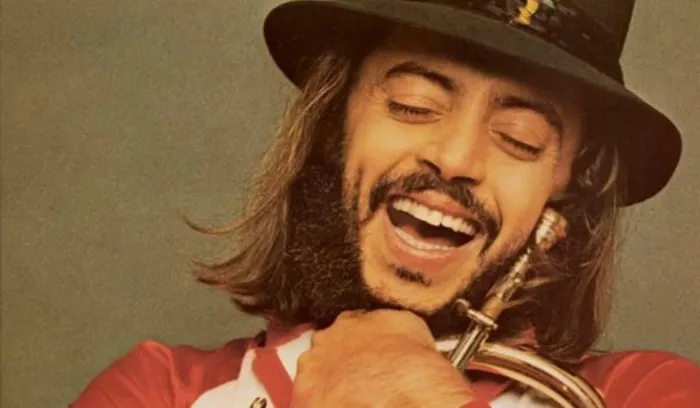
Jazz musician Chuck Mangione
Image: Facebook
(Jazz flugelhorn virtuoso; composer of the classic “Feels So Good”)
Grammy‑winning jazz great Chuck Mangione died in his sleep on Tuesday, July 22, at age 84, in Rochester, New York. His cause of death was natural causes, and was not described as unexpected. Mangione was best known for his signature 1977 instrumental hit “Feels So Good”, which became a jazz crossover phenomenon and earned him widespread fame. Over his career he released about 30 albums and won two Grammys (1977 and 1979) for his work in jazz performance.
Mangione’s warm, melodic style—centered on the lyrical tone of his flugelhorn—animated scores, concert halls, and millions of records. Fans and fellow musicians on social media shared stories of his influence, with many remembering the first time hearing his iconic tune live or on college radio.
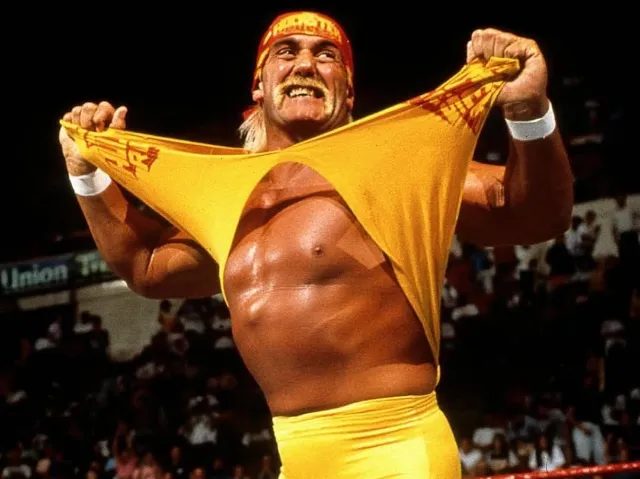
Hulk Hogan influenced fashion, music and the way sports personalities built their brands long before the age of social media. The larger-than-life star died at his home in Florida.
Image: Hulk Hogan Instagram
(Professional wrestling icon; 6‑time WWE champion)
Legendary professional wrestling star Terry “Hulk Hogan” Bollea, known in the ring as Hulk Hogan, died on Thursday, July 24, at age 71. Officials cited cardiac arrest as the cause of death, following a period of declining health and a neck procedure he underwent in May 2025.
Hogan was one of the most visible figures in professional wrestling’s rise to global prominence from the 1980s to early 2000s. A six‑time WWF/WWE Champion, he helped launch the industry into mainstream culture with his electrifying charisma, signature “Hulkamania” persona, and blockbuster matchups. Fellow wrestlers and fans described him as an approachable friend and mentor, with many reflecting on his role in shaping modern pro wrestling.