


Author Nadia Davids, whose novel “Cape Fever” explores power, race and the unseen in 1920s colonial South Africa.
Image: Instagram
Are you a fan of thrillers and fiction? Then “Cape Fever" by Nadia Davids may be the novel to add to your reading list.
It is a gothic psychological suspense story set in 1920 in an unnamed colonial city in South Africa. At its centre is a tense relationship between a white employer and her mixed-race maid, a dynamic shaped by race, class and unspoken fear.
The novel follows Soraya Matas, a young Muslim woman who takes a job as a live-in personal maid to the widowed Mrs Hattingh.
The manor house where she works stands near the Muslim Quarter where Soraya’s family lives. The First World War has ended, but the world inside the house feels stuck in grief and memory.
Mrs Hattingh, a British settler, presents herself as kind. Yet her kindness carries assumption and control. She believes Matas is uneducated and illiterate.
On her mother’s advice to hold something back, Matas allows her employer to think so. This decision becomes the foundation of a dangerous power game.
When Mrs Hattingh offers to write letters on Matas’ behalf to her fiancé, Nour, who is working far away, the act appears generous. Over time, the weekly letter writing turns into a ritual shaped by manipulation.
Mrs Hattingh begins altering the content of the letters. Words become tools. Meaning shifts. What was once an act of assistance becomes a method of control.
The house itself adds another layer to the story. It is alive with spirits, including the ghost of the previous maid, Fatima. The presence of the unseen deepens the tension and blurs the line between what is real and what may be imagined.
The supernatural elements are not there for spectacle. They mirror the emotional unrest inside the house and inside the two women.
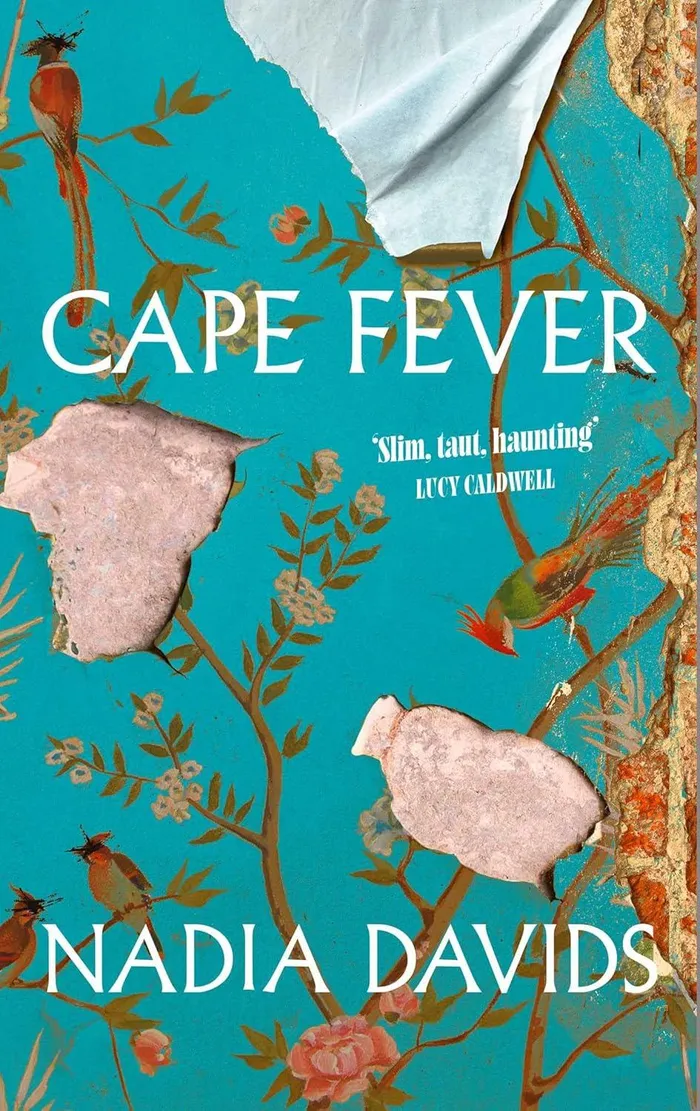
“Cape Fever” by Nadia Davids is a gothic psychological suspense novel set in 1920s colonial South Africa that explores power, race and the unseen.
Image: Instagram
One of the strongest themes in the novel is colonialism and race relations. The story examines the imbalance between coloniser and colonised. Through small gestures, language and daily routines, the novel reveals how power operates in private spaces.
The employer holds economic and social power, yet Matas holds knowledge and silence. Each woman tries to assert control in different ways.
The theme of power and manipulation runs through every chapter. The fight for agency becomes central. Matas must decide how much of herself to reveal and how much to conceal.
Mrs Hattingh, lonely and grieving, seeks comfort and connection but does so through domination.
Grief and isolation also shape the narrative. Mrs Hattingh longs for her son and for England. Matas misses her family and her fiancé.
Both women are separated from what gives them stability. Their shared loneliness creates intimacy, but it also sharpens suspicion.
What makes novels like “Cape Fever" compelling is the way they combine suspense with social commentary. Thriller and gothic fiction often place characters in confined spaces where secrets grow.
The tension comes not only from events but from psychology. Readers are drawn to the uncertainty. They question motives. They search for truth beneath appearances.
“Cape Fever” also exists as an audiobook narrated by Roshina Ratnam, offering another way to experience the layered voices and shifting power between the characters.