

We take a look at five of the most iconic balls
Image: File
The World Cup is just under a month away, and Bafana Bafana will join global teams chasing glory with the new Trionda ball, continuing a legacy of iconic World Cup footballs.
The World Cup will start on June 11 in the city of Mexico City, before travelling across Canada and the United States.
However, while the global showpiece is expected to thrill fans, few know about the history of the World Cup ball from the leather Tiento in 1930 to this year’s high-tech Trionda.
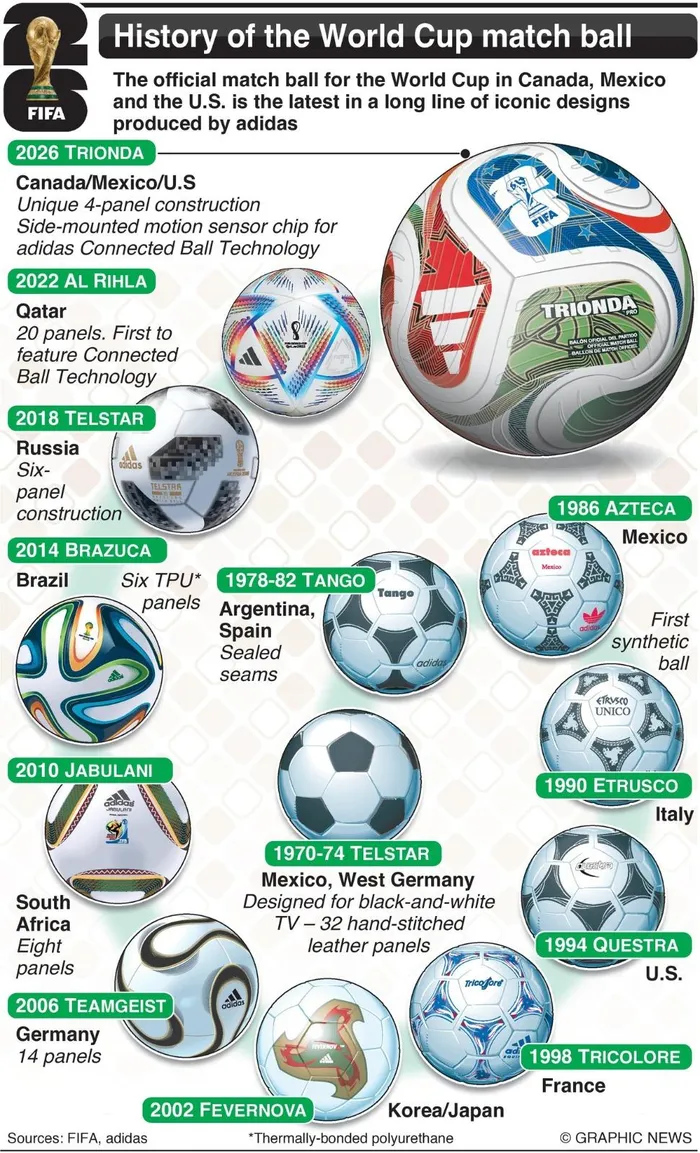
History of the World Cup match ball
Image: Graphic News
IOL takes a look at five of the most iconic World Cup balls that have shaped football history
The T-Model, made of 11 hand-stitched leather strips, and Argentina’s 12-panel Tiento were both used in the first World Cup final each team played one half with their preferred ball
The 2006 World Cup ball, Teamgeist, meaning “team spirit,” had 14 bonded panels instead of the usual hexagons and pentagons. Nearly perfectly round, its black, white, and gold colours reflected Germany and the World Cup trophy.
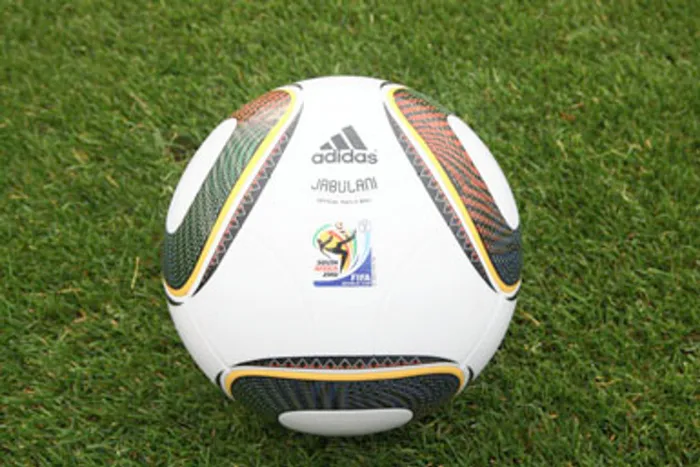
The 2010 World Cup ball, Jabulani, means “to celebrate” in Zulu. It carried 11 colours, representing the players on the field, South Africa’s official languages, and the host cities.
Made from eight thermally bonded panels, it was designed for a smoother, more accurate flight. The ball became part of South African football history when Siphiwe “Shabba” Tshabalala scored the opening goal of the tournament, sparking celebrations across the country.
The 2014 World Cup ball, Brazuca, had six propeller-shaped panels for better flight, grip, and control. Its name, chosen by fans, reflects Brazilian pride, while the colourful lines echo traditional wish bracelets.