

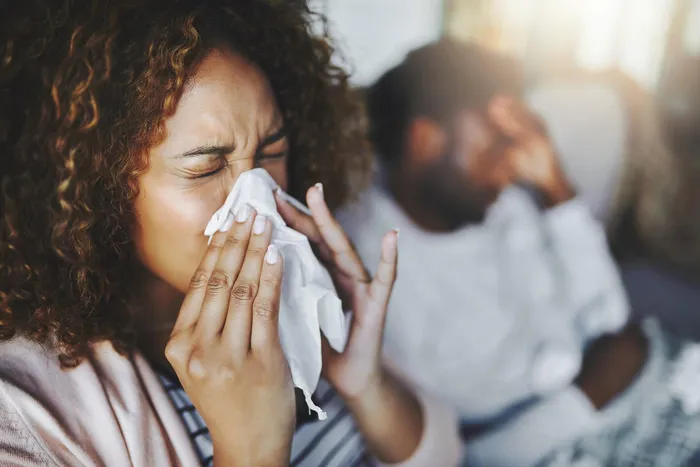
it's crucial to stay informed about influenza, its symptoms, and effective prevention strategies to ensure a healthier season
Image: Supplied
With the season change and flu cases rising, taking precautions is paramount. Staying informed, getting vaccinated, and using time-tested natural remedies can all help make the flu season smoother.
Influenza also called flu is an acute viral respiratory infection, transmitted by the influenza virus. This virus has three main types A, B and C. Influenza A is classified into different subtypes..
Flu is notably infectious and can easily spread from person to person. Transmission primarily happens through inhalation of infected respiratory droplets when an individual sneezes, coughs, or even talks. Touching contaminated surfaces and then touching the mouth, eyes, or nose can also lead to infection. This underlines the importance of stringent hygiene practices during flu season.
It's crucial to acknowledge that flu can spread even before symptoms appear, complicating efforts to control outbreaks as individuals may unknowingly pass the virus to others. Therefore, maintaining good hygiene and being vigilant about symptoms is essential in curbing influenza transmission.
Symptoms of influenza typically develop within one to four days after infection and may include:
While most cases resolve within a week, complications such as pneumonia can lead to severe illness or even death. Patients experiencing severe symptoms, especially difficulty breathing or persistent chest pain, should seek immediate medical attention, as early intervention can significantly impact recovery outcomes.
Although there is no cure for influenza, effective preventative measures can greatly reduce the risk of infection. Vaccination remains the most effective shield against the virus, as the inactivated flu vaccine becomes effective approximately two weeks after administration. Ideally, vaccinations should be received before March or April as winter approaches, but it is never too late to get vaccinated while the virus is active in the community.
Other practical prevention strategies include:
IOL