

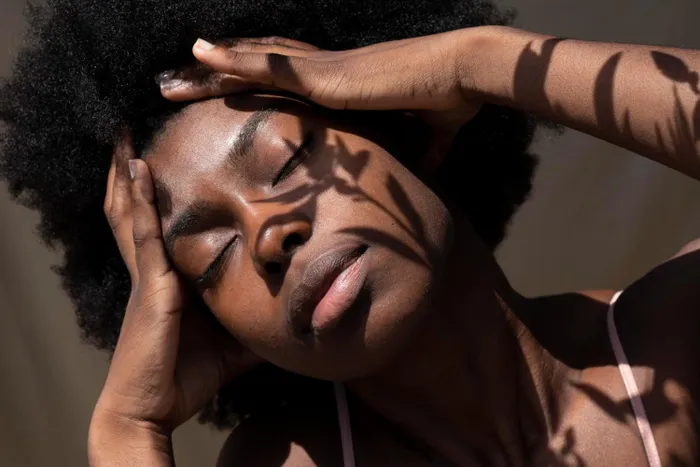
Oxidative stress can cause fine lines, pigmentation, and dullness to arrive earlier than they should.
Image: Freepik
We all know growing older is inevitable, but did you know that most of what makes skin look “aged” has less to do with the number of candles on your birthday cake and more to do with daily habits?
According to research, around 80% of visible facial ageing is linked to things we can actually control.
That means fine lines, pigmentation, and dullness often arrive earlier than they should because of a hidden culprit: oxidative stress.
Think of oxidative stress as the skin’s version of rust.
It’s triggered when free radicals, tiny unstable molecules from things like pollution, sun exposure, or even stress, overpower your skin’s natural defence system.
Over time, this damage weakens skin cells, speeds up ageing, and can even aggravate conditions like acne or rosacea.
As an aesthetic medical practitioner, Dr Alek Nikolic explains, “Oxidative stress accounts for around 80% of premature skin ageing. It speeds up fine lines, loss of firmness, pigmentation problems, and can even worsen conditions like acne and rosacea.”
Your skin is constantly exposed to stressors. Some of the biggest offenders include:
This results in skin that looks tired before its time.

Blue light from phones and laptops can cause premature ageing.
Image: Freepik
If you’re wondering whether oxidative stress is showing up on your face, here are a few tell-tale signs:
If two or more sounds familiar, your skin may be crying out for help.
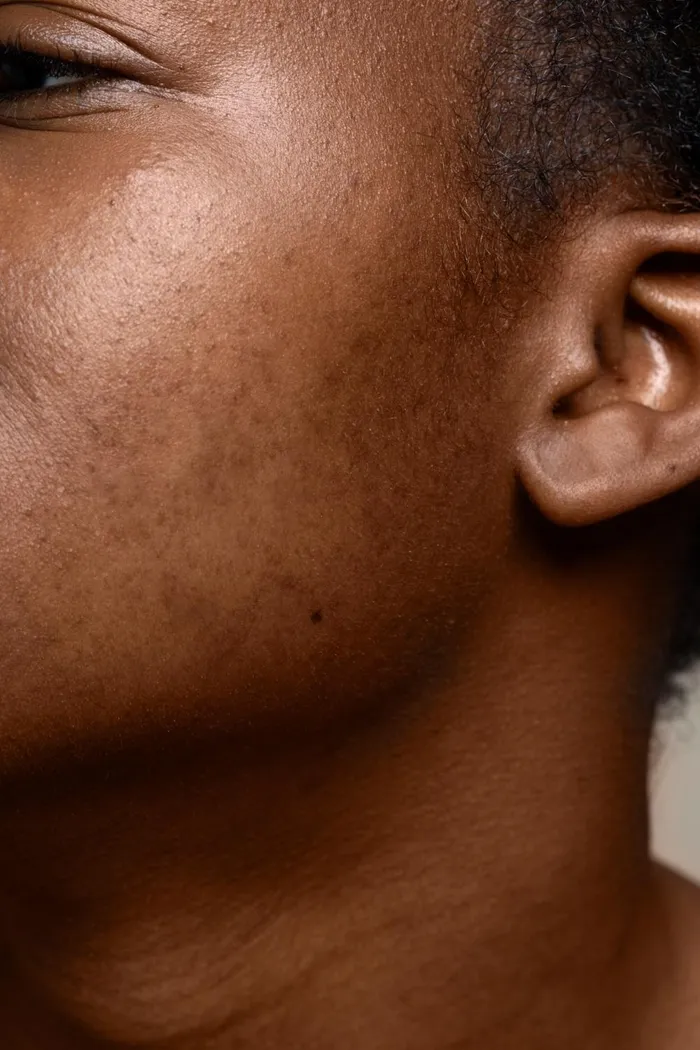
Uneven skin tone or stubborn pigmentation is a sign of oxidative stress.
Image: Freepik
Luckily, there’s a lot you can do to protect your skin from the inside out. Small changes add up, especially when done consistently. Dr Nikolic recommends:

Smoking accelerate oxidative damage.
Image: Freepik / wirestock
In order to see results, consistency really is the magic word. “Consistency is always the key to unlocking your skin’s full potential,” says Dr Nikolic.
With the right routine, you may notice hydration and smoother texture in just a couple of weeks, a brighter tone in a month or so, and firmer skin in two to three months.
For deeper wrinkles or stubborn pigmentation, professional treatments can deliver more dramatic results.