

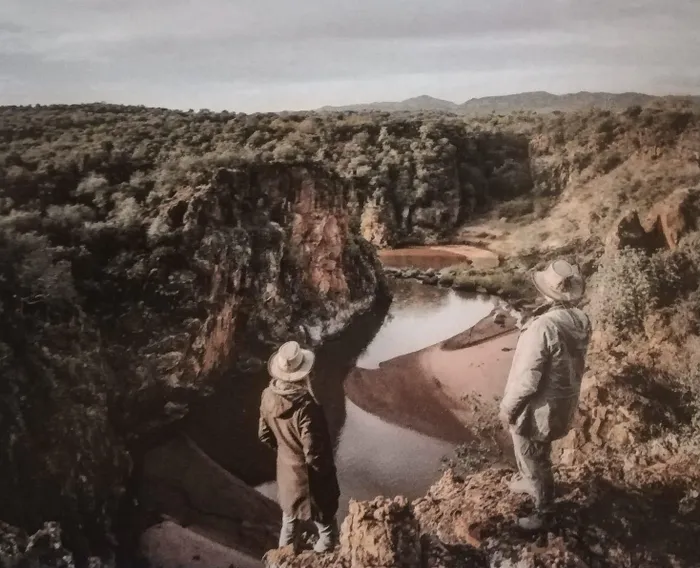
The Pafuri Triangle, featured in a new book, Walking Safaris of Africa: Guided walks from the Cape to Kenya by Denis Costello, is one of the Kruger National Park's hidden secrets.
Image: Supplied
THROUGHOUT the 19th century and well into the 20th, a safari was associated with expeditions into Africa’s interior in search of hunting riches-ivory, hides and meat. Today, with an emphasis on nature conservation, a safari now means exploring the African wilderness with the expectation of encountering wildlife in its natural habitat.
A walking safari is an expertly guided walk in a conservation area where not only some big game “stars” might be seen, but also the smaller creatures, their burrows or nests, and flora which is often missed - an entire ecosystem. It is an immersive experience enabling the walker to disconnect from the modern world and enjoy the serenity of wild Africa.
In a new book, Walking Safaris of Africa: Guided walks from the Cape to Kenya by Denis Costello (Pelagic Publishing, 2025), the author highlights some of the best walking safaris in nine countries: South Africa, Namibia , Botswana, Zimbabwe, Malawi, Mozambique, Tanzania and Kenya.
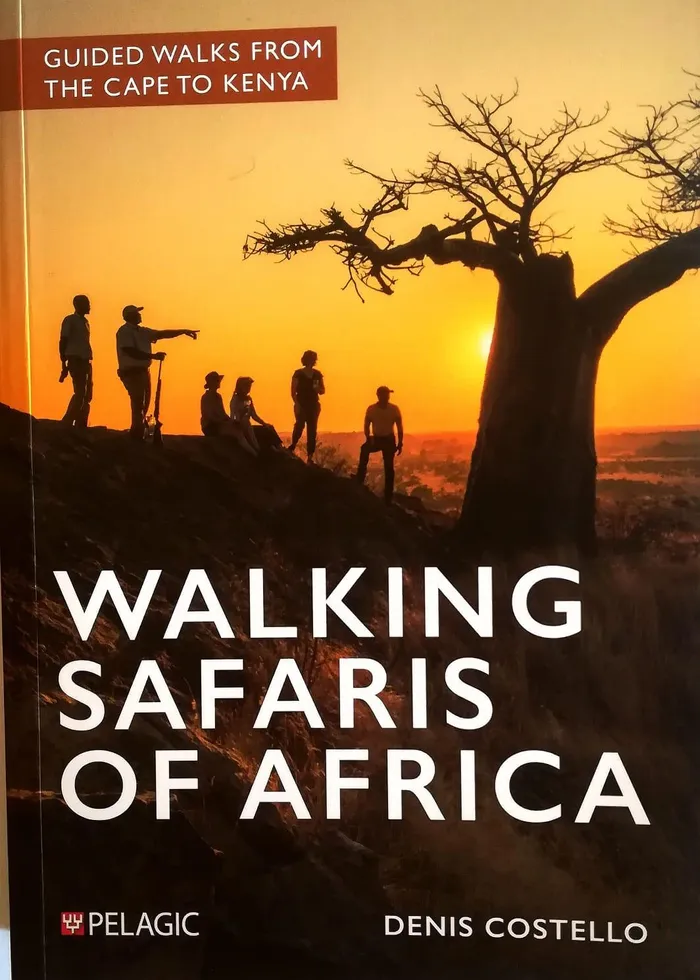
Walking Safaris of Africa: Guided walks from the Cape to Kenya by Denis Costello, highlights some of the best walking safaris in nine African countries.
Image: Supplied
Before setting off, Costello offers invaluable advice, well worth reading, for those contemplating this type of holiday. There are different types of Safaris from gentle strolls to intensive backpacking expeditions with varying equipment needs.
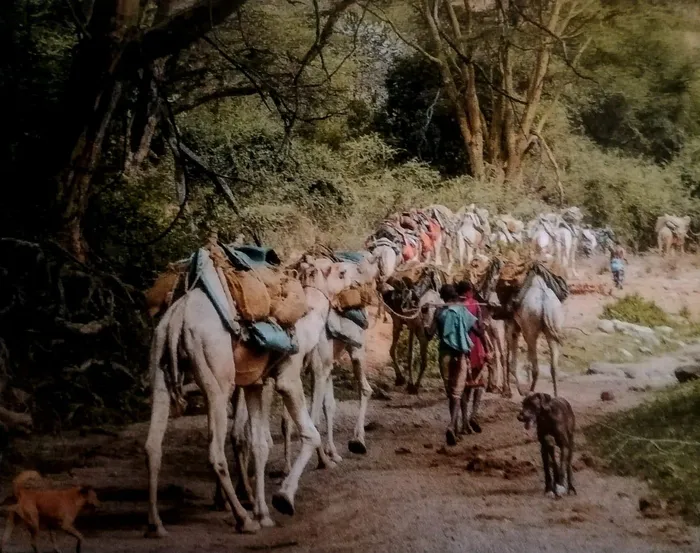
A camel caravan in northern Kenya : a scene as old as time.
Image: Supplied
In choosing clothing, avoid black and navy (they attract tsetse flies) and camouflage patterns (they are used by the military and rangers). Booking agencies can be useful particularly those specialising in walking safaris which can be expensive.
South Africa has the most walking safaris in Africa and also the widest range, from backpacking sleep-outs to luxurious bespoke camps.
Hluhluwe- Umfolozi holds a special place as it was there that Dr Ian Player and Magqubu Ntombela led South Africa’s first wilderness trail in 1959.
Player also established the non-profit wilderness leadership school with the goal of incubating a love for the wilderness in future leaders.
Sitting by a small fire, listening to the nocturnal sounds in the wild creates an unforgettable memory which others in the future should also be able to enjoy.
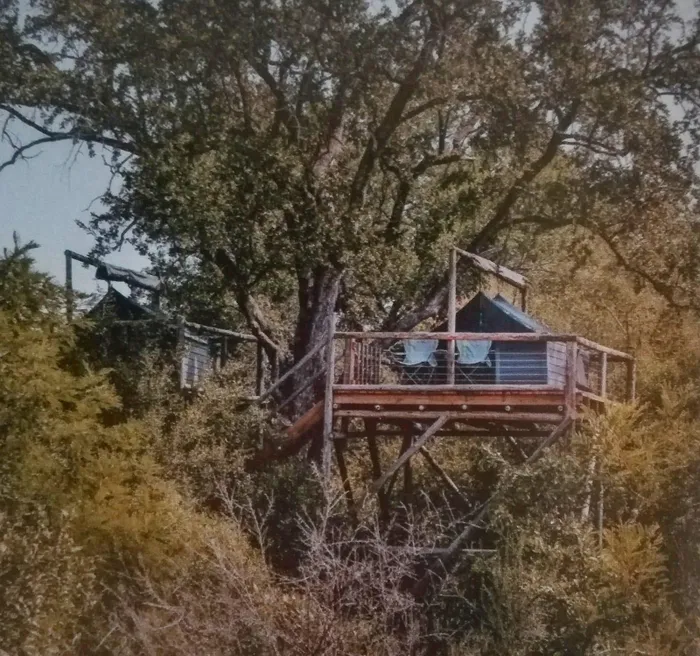
Plain's Camp sleep - out at the Kruger National Park.
Image: Supplied
One of South Africa’s hidden secrets is the Pafuri Triangle in the northernmost part of Kruger National Park. The Luvuvhu River carves through sandstone gorges amid forests of baobab, ana trees and sycamore figs.
The stand-out walks explore the fever tree forest and Mutate and Lanner Gorges. The Pafuri is a prime example of how habitat and wildlife conservation bring benefits to the local community, which derives a share of revenue from tourism.
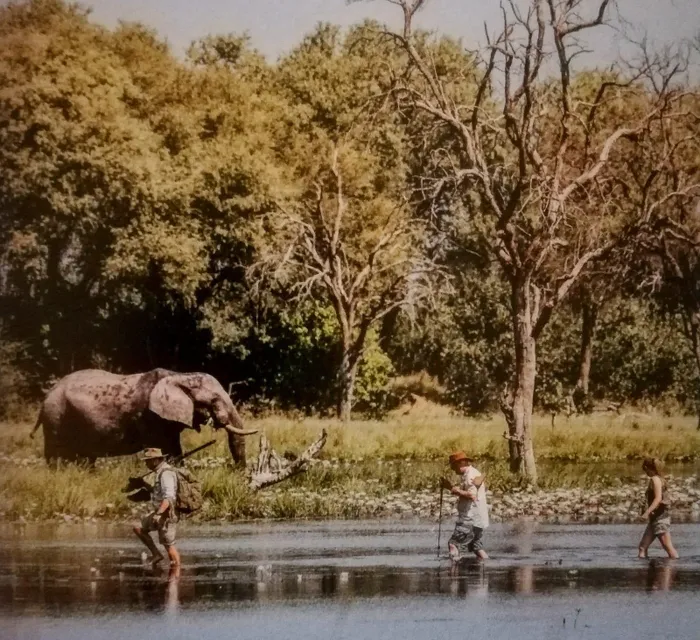
Exploring the Okavanga Delta on foot, Botswana.
Image: Supplied
The author was surprisingly upbeat about Zimbabwe. Potential visitors should not be put off by its history of poor governance. If anything, the disastrous economic situation that has made life so hard for most of the people is all the more reason to give Zimbabwe some time and love. He points out that the training regime of their guides is regarded as the toughest in the world.
At the other end of the scale is Mozambique, which has suffered from decades of civil war and poor infrastructure. Although there are conservation initiatives underway and the future looks brighter, there are currently only limited options.
Zambia may still have a lower profile than other countries, yet as a safari destination it has some superlative options. Eliminating “pesky tourists visa fees” has improved its image. The extensive Liuwe floodplain with its vast grasslands punctuated by seasonal wetlands and wooded islands is worth a visit. Protected for over a century, its floodplain became shallow lakes attracting thousands of waterbirds and the second-largest wildebeest migration in Africa.
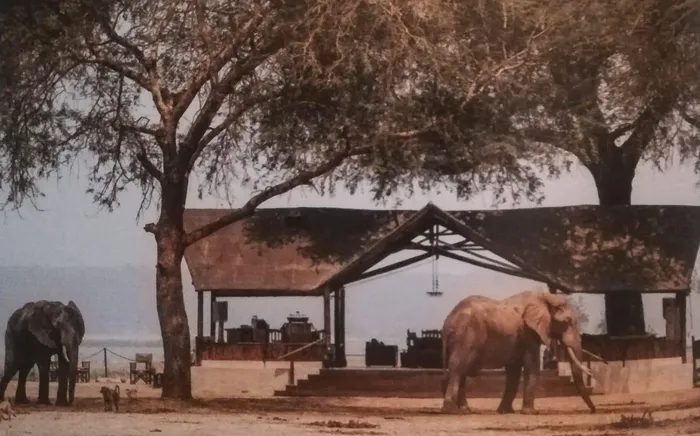
Elephants passing by Old Mondoro, Zambia.
Image: Supplied
Another option is the Luambe National Park which was once a premier destination until human encroachment took its toll on the habitat and wildlife. Today, a privately funded project and anti-poaching measures are restoring the park where Thornicrofts giraffe, Cookson’s wildebeest and the African wild dog can again be seen.
Tanzania enjoys a higher profile. Over a quarter of the country is protected in national parks and reserves which span everything from alpine moorlands and tropical rainforests to mangroves and coral reefs.
The Nyerere National Park- the largest in Africa- has rivers and lakes which provide the chance to mix boat safaris with drives and walks. Visitors to the Selous Impala Tented Camp can visit the simple grave of explorer and army officer Fredricks Selous at the foot of the Beho Beho mountains. During World War 1, he was killed in action in 1917 and was buried under a tamarind tree near his place of death.
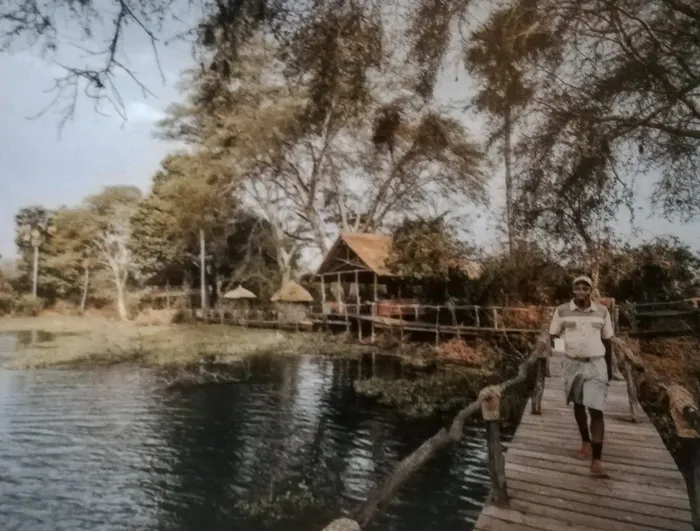
Mvuu Lodge, Liwonde National Park, Malawi.
Image: Supplied
Kenya retains a romantic “out of Africa” image aided by sophisticated air transfer services which make its parks very accessible. The tradition of semi-nomadic pastoralism is integral to Kenya’s walking safaris, which are usually guided by Samburu or Maasai tribesmen in colourful attire.
Northern Kenya is known for its camel-ported safaris, which have the ambience of age-old travel. Guests can ride the camels, but most prefer to walk. At night, meals are cooked over a fire while camels chew the cud nearby.
There is a definite trend for travellers to seek safaris on foot, horseback or by boat. Each immersion in the wilderness enhances our love for the natural world and a determination to protect it.
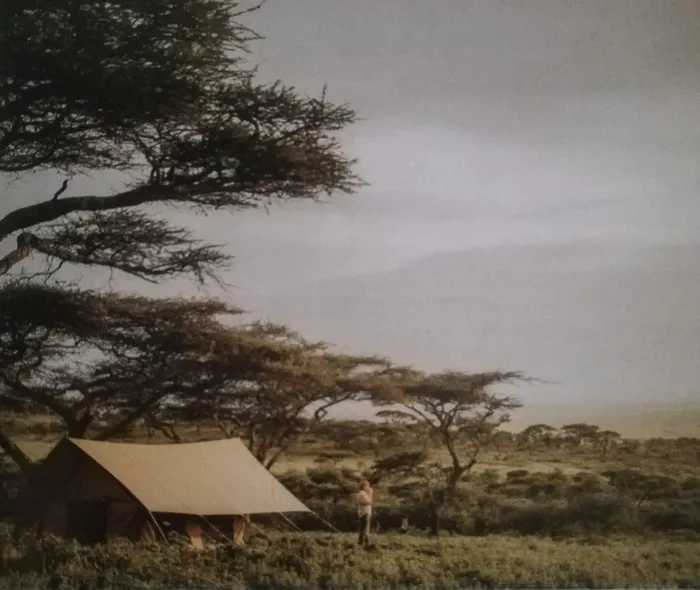
Nomad Expeditionary Camp, Serengeti National Park, Tanzania.
Image: Supplied
Bush walking is not a sport: Safety always comes first, and it is those professional guides who make it safe. Walking safaris have a low impact on the environment, even our footprints will soon disappear, which is why you do not leave trails of banana skins along the way.
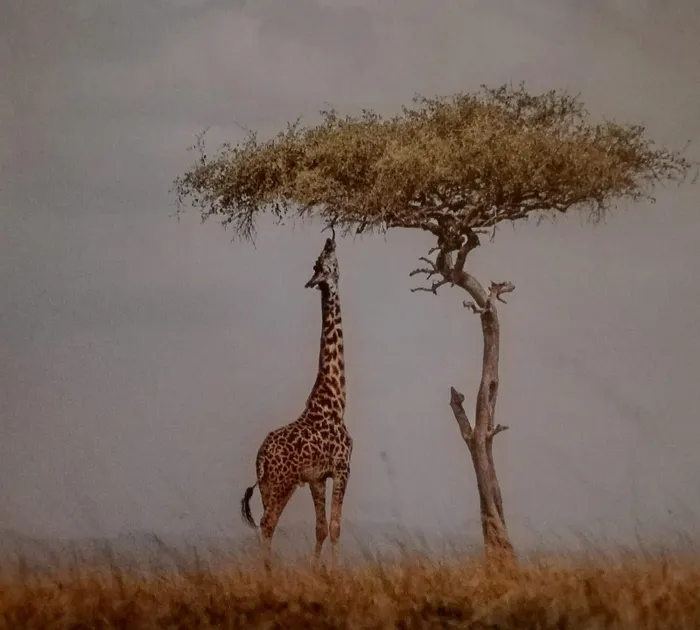
Giraffe browsing on a desert date tree, Maasai Mara Reserve, Kenya
Image: Supplied
That pioneer of walking safaris, Norman Carr (1912-1997), once wrote that it is on a tea break when you are sitting down quietly alongside a stream with half a dozen species of animals in view that exemplifies the difference between rushing around in a vehicle or being on foot among them. “In a vehicle you are an intruder, but here we are guests.”
Packed with information, addresses, advice and tempting photos, Costello’s excellent book is an invitation to be a guest in Africa’s remarkable surviving wilderness.