

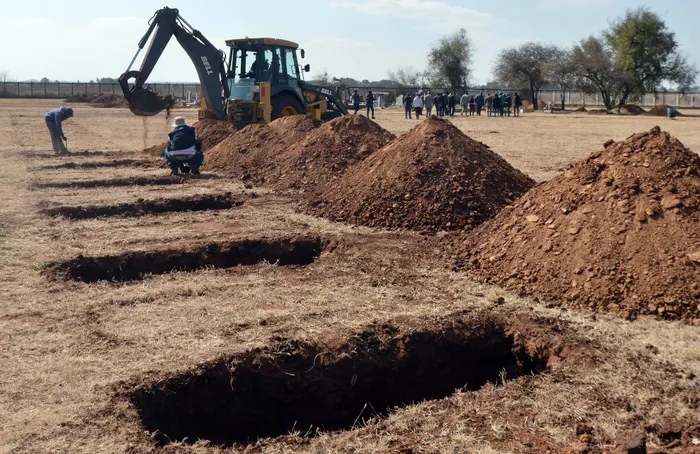
FAMILIES across South Africa are confronting a hard reality of urban and semi-urban municipalities running out of cemeteries, making traditional burials to be no longer viable. The South African Funeral Parlour Association has come with a four point plan to find a solution.
Image: Independent Newspapers Archives
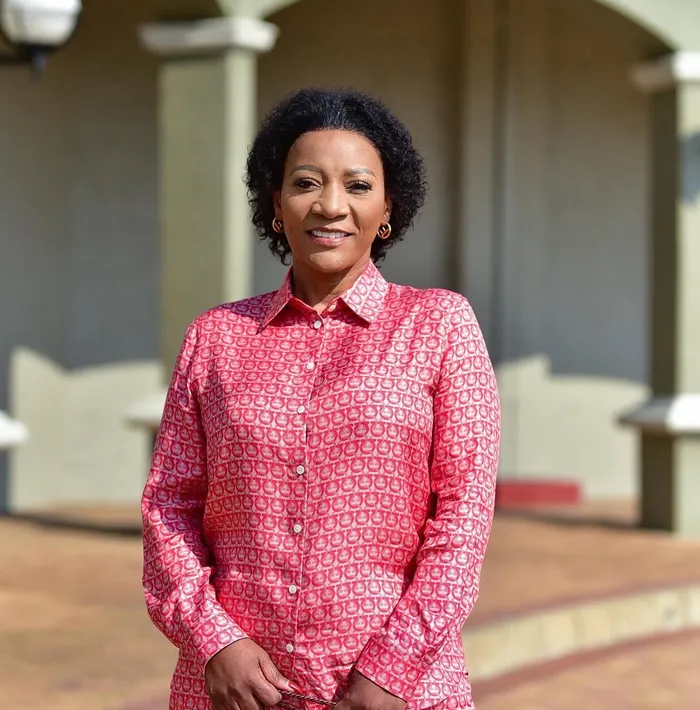
THE South African Funeral Parlour Association (SAFPA) President, Nomfundo Mcoyi-Zondo has sounded the alarm on the massive shortage of burial land in cities across South Africa which demands an urgent need for a mindset shift and partnerships.
Image: Supplied
South Africa is fast running out of burial space, prompting urgent calls from the South African Funeral Parlour Association (SAFPA) for the government and communities to confront what it describes as a looming humanitarian and cultural crisis.
SAFPA president and Icebolethu Group CEO Nomfundo Mcoyi-Zondo has warned that the shortage of cemetery land in major cities threatens not only urban planning but also the country’s ability to preserve cultural and spiritual burial traditions.
“We cannot afford to wait until families are turned away from cemeteries,” Mcoyi-Zondo said.
“Burial is a sacred tradition for many communities, but we must begin to explore dignified alternatives such as cremation and green burials whilst working together to find sustainable solutions. The dignity of our final farewells must be preserved, even as our cities grow.”
The warning comes amid mounting evidence that South Africa’s major metros are running out of burial space.
The City of Johannesburg has confirmed that 90% of its cemeteries are full, with only four of its 42 still accepting new burials. Private burial plots have become prohibitively expensive; costing between R10 000 and R15 000 per grave, with additional monthly rates paid upfront for a decade.
In Ekurhuleni, an estimated 9 000 burials are conducted annually, consuming more than 19 000 square metres of land each year.
“These figures reflect a national crisis that touches on cultural identity, urban planning, and human dignity,” Mcoyi-Zondo added.
Cultural Tensions Meet Urban Pressures
For many African families, burial is more than a ritual; it is a spiritual and ancestral act that affirms belonging.
Cremation, though space-efficient, remains largely unfamiliar and often carries emotional resistance.
Yet, as urban migration accelerates and development swallows available land, traditional burial grounds are under unprecedented strain.
Cemeteries are being vandalised, graves are reused, and families are increasingly forced to bury loved ones in remote or unsuitable areas, sometimes on wetlands or unstable soil.
SAFPA’s Call for Action
In response, SAFPA has proposed a four-point action plan aimed at easing the crisis and reshaping burial practices to reflect both tradition and sustainability:
Public Education: Nationwide campaigns to promote awareness of cremation and green burials as respectful alternatives.
Land Allocation: Municipalities to release unused or underutilised land for new cemetery development.
Partnerships: Collaboration with human rights and cultural organisations to safeguard dignity in burial practices.
Innovation: Exploration of new models such as vertical cemeteries, memorial walls, and eco-friendly burial systems.
Mcoyi-Zondo said that while the issue demands technical planning and policy reform, it also requires compassion and dialogue.
“Unused land can be transformed into sacred spaces,” she said.
“But we need political will, community dialogue, and a shift in mindset. The cemetery crisis is not just about space; it’s about how we honour life.”
SAFPA’s message is clear: unless urgent steps are taken, South Africa risks a future where the right to a dignified burial becomes a privilege few can afford.
A major symposium on cremation in Durban, the Pan African Cemeteries and Crematoria Conference, was held in April 2017 and 2019 to discuss the city's burial space shortage and alternatives.
The South African Cemeteries Association (SACA) also hosted a conference in 2020 which focused on the growing need for cremation due to increasing population, limited land for new cemeteries, and the high cost of burial. While discussions about cremation have been ongoing, the 2020 conference was a significant event dedicated to the topic in Durban, driven by the urgency of the situation.
The conference highlighted the chronic shortage of burial space in Durban and other South African cities, as reported by SACA.
Speakers discussed cremation as a more cost-effective and environmentally sustainable alternative to traditional burial, which is becoming increasingly expensive.
While cremation is gaining traction, the conference acknowledged and debated the cultural and religious dynamics that influence burial choices. The event also addressed sustainable cemetery development in the African context as a broader solution to land scarcity.
SUNDAY TRIBUNE