

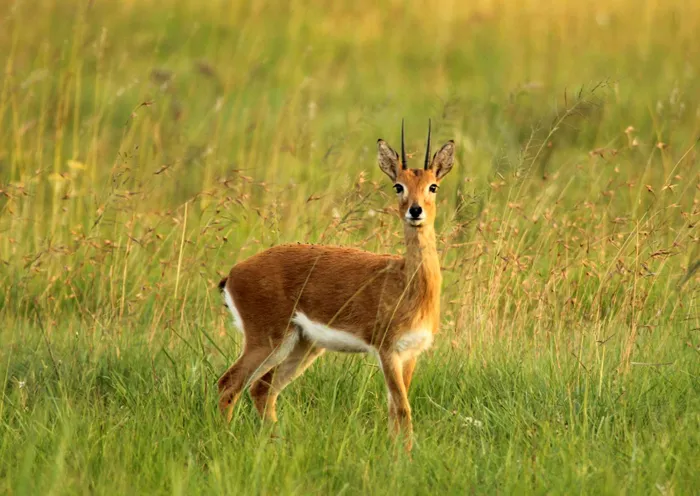
The Oribi is one of South Africa's endangered antelopes. It features in the 2025 Red List of Threatened Species released this week by the Endangered Wildlife Trust.
Image: Keenan Steers
THE latest assessment of the status of mammals in South Africa, Eswatini and Lesotho, reveals important trends for conservation decision-making and research.
The 2025 Regional Mammal Red List of Threatened Species, undertaken by the Endangered Wildlife Trust (EWT) and the South African National Biodiversity Institute (SANBI), along with 150 species experts.
The assessment indicates the uplisting (declining conservation status) of 11 mammal species, whilst three mammal species have been downlisted (improved status).
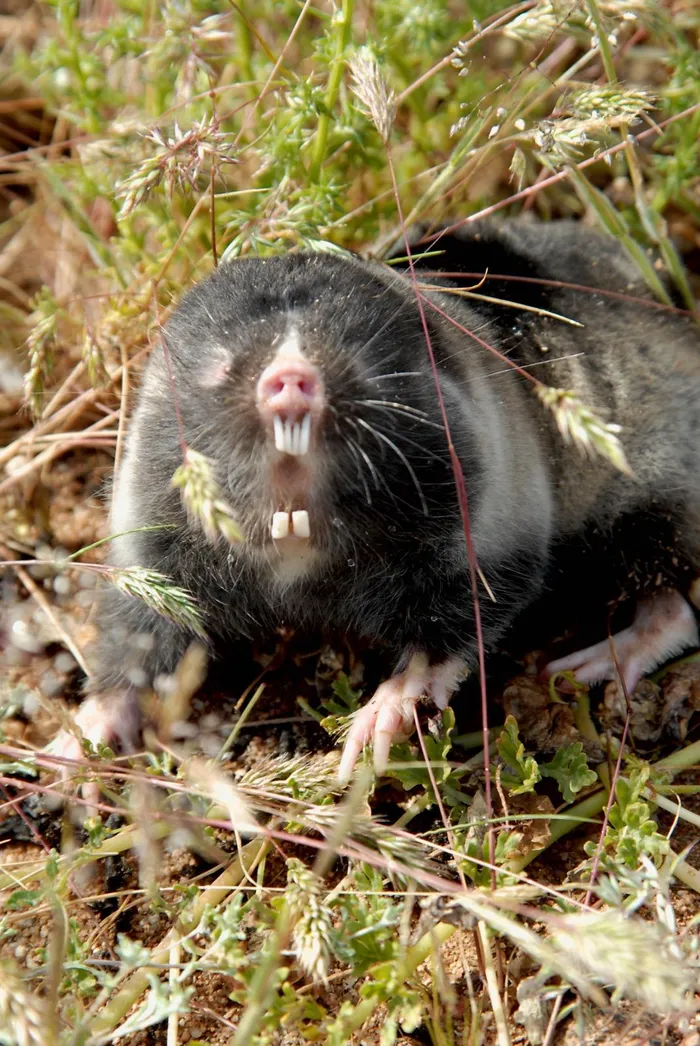
The Namaqua dune mole-rat (Bathyergus janetta) is a species of rodent in the family Bathyergidae found in Namibia and South Africa is uplisted.
Image: H Lutermann
The Thick-tailed Bushbaby (Otolemur crassicaudatus) is among the species uplisted from Least Concern to Near Threatened based on increasing threats due to agriculture, residential and industrial development, and emerging threats such as linear infrastructure development and climate change.
On the other hand, Hartmann’s Mountain Zebra (Equus zebra hartmannae) was downlisted from Vulnerable to Near Threatened due to a genuine increase in population numbers, exceeding the threshold for the Vulnerable category.
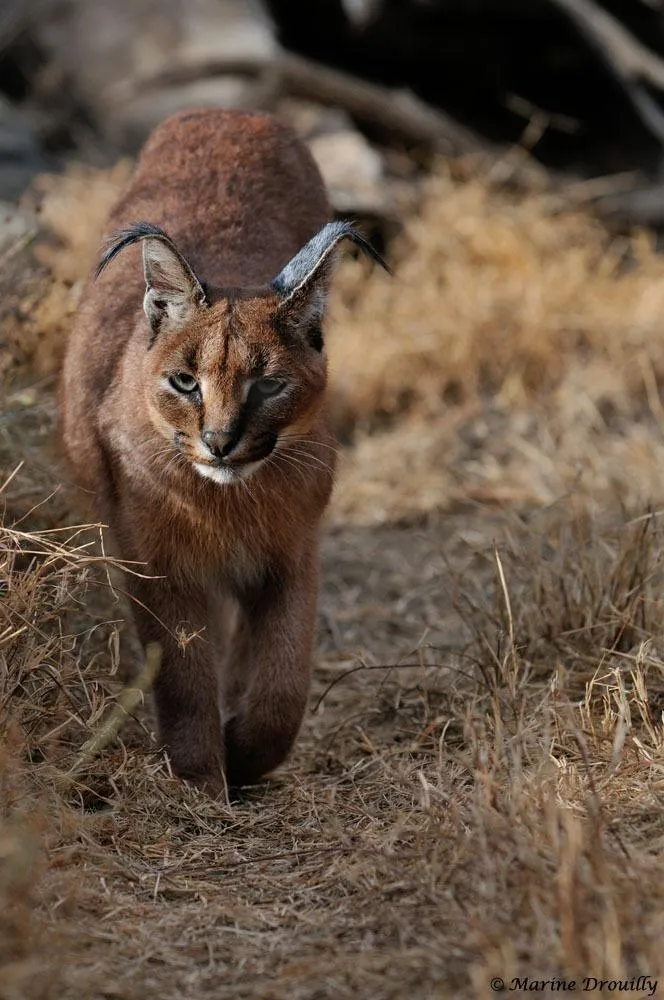
The Caracal is a threatened species.
Image: Marine Drouilly
Of the 336 species assessed, 67 species are endemic to the assessment region. A total of 42% of these endemic mammals are threatened with extinction, making the region fully responsible for their protection and survival.
This 2025 Red List of Threatened Species provides an up-to-date assessment of the conservation status of mammals indicating that 20% of our mammals are threatened with extinction, whilst 12% are Near Threatened.
The main threats to these species are ongoing habitat loss and degradation due to agricultural and urban expansion, climate change and extreme weather conditions, as well as over-exploitation and poaching.
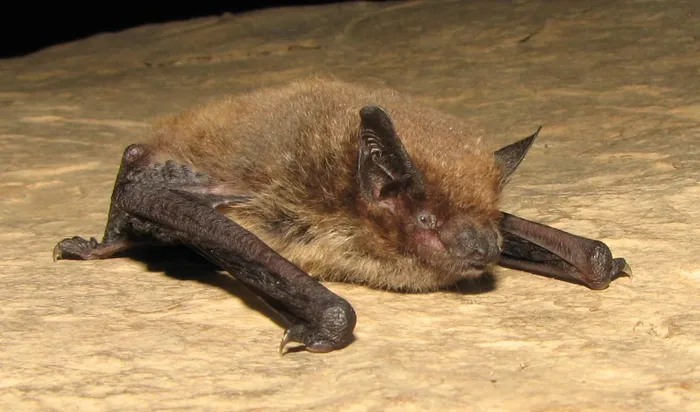
Cistugo lesueuri has been uplisted.
Image: Trevor Morgan
A protection level analysis shows that only around 76% of mammal species are well or moderately protected, with around 24% poorly or not protected. The IUCN Red List of Threatened Species is a comprehensive inventory of the extinction risk of animals, fungi, and plants at either a global, regional or a national scale.
It acts as a crucial indicator of global biodiversity health, classifying the survival risk facing species into nine categories (from Least Concern to Extinct) based on objective criteria, and including comprehensive data on threats, habitats, and conservation needs to guide policy and action.
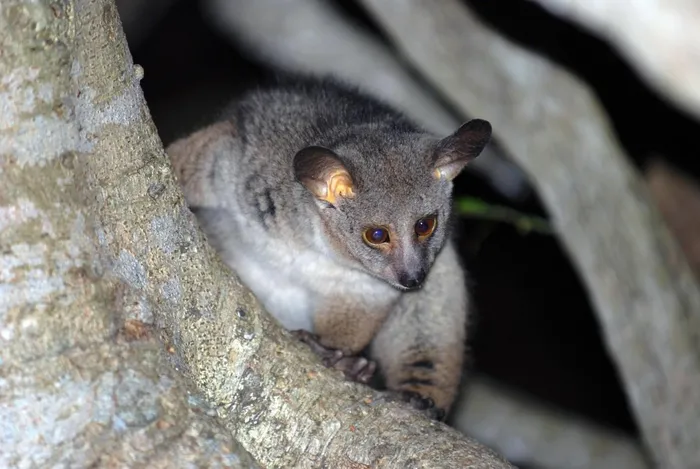
The Thick-tailed Bushbaby (Otolemur crassicaudatus) is among the species uplisted from Least Concern to Near Threatened based on increasing threats due to agriculture, residential and industrial development.
Image: Endangered Wildlife Trust
Red Lists guide conservation action, but if assessments are outdated, the already limited conservation resources might not focus on species that require the most urgent intervention. The October 2025 IUCN Global Red List update, announced at the IUCN World Conservation Congress in Abu Dhabi, assessed over 172,600 species at a global scale, with 48,646 now facing extinction.
A significant recovery of the Green Sea Turtle due to sustained conservation efforts shows that conservation can be effective, but the biodiversity crisis continues, driven by climate change and relentless habitat destruction. Along with assessing the risk of species becoming globally extinct, it is important to assess species at regional and national levels.
A national assessment is crucial as it identifies species at risk of extinction within a country, guiding conservation policy, planning, resource allocation, informing development decisions (EIAs), raising public awareness, and tracking progress on international biodiversity commitments.
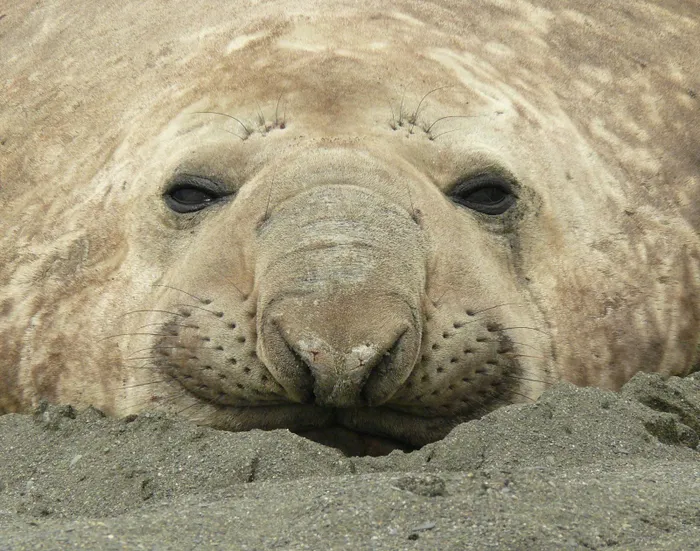
The Southern Elephant Seal (Mirounga leonina) was downlisted.
Image: Endangered Wildlife Trust
The revision of the 2025 Mammal Red List of South Africa, Eswatini and Lesotho was coordinated by the EWT and SANBI and forms part of a series of National Red List projects including assessments of Amphibians, Birds, Butterflies, Dragonflies & Damselflies, Fairy Shrimps, Freshwater Crabs, Freshwater Fishes, Plants, Reptiles, Sharks, Sparids, and Spiders.
These Red Lists fed into the 2025 National Biodiversity Assessment (NBA) launched by SANBI on December 9, 2025. In this regional assessment, 336 mammal taxa were assessed at a national level, using the IUCN Red List of Threatened Species categories and criteria and applying the regional adjustment criteria.
Assessments were undertaken between 2023 and 2025, with the assessment of genetic health and climate change vulnerability being included for the first time. Climate modelling was undertaken for 14 species identified as vulnerable to the impacts of climate change in the 2016 assessment.
This Red List was the first time that genetic indicators were assessed across a complete taxonomic group in South Africa, and will help to inform species’ conservation status going forward. The most critical gap in monitoring the threat and protection status of mammals is insufficient population sampling and monitoring within protected areas, particularly for small mammal species.
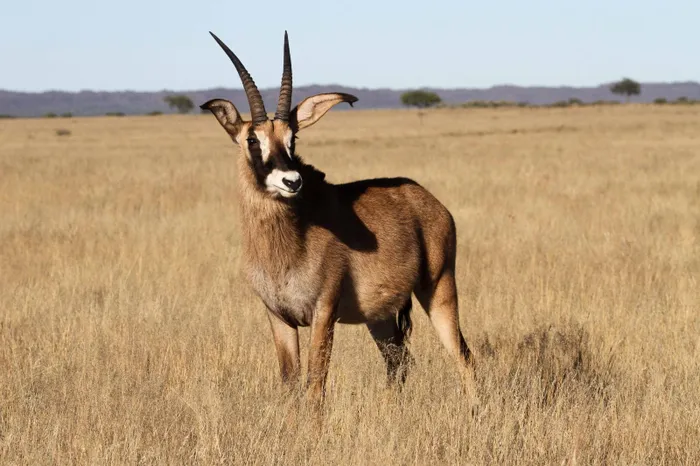
The Roan Antelope (Hippotragus equinus) has been downlisted.
Image: Endangered Wildlife Trust
Since the 2016 assessment, several taxonomic orders, especially small mammals, continue to receive inadequate research attention, resulting in limited studies on population size, trends, and genetic diversity. In this revision, seven percent of all assessed species were classified as Data Deficient due to insufficient information to assign a Red List category.
This represents a significant research priority, with Cetaceans (whales and dolphins) comprising the majority of Data Deficient species. All Data Deficient species require urgent baseline surveys and monitoring programmes. While evidence for climate change impacts was reviewed for all assessments, there is very little research or data to show the impact of climate change on most mammal species.
Targeted research on climate vulnerability is needed across all mammal orders to inform proactive conservation strategies and adaptive management interventions. Although genetic indicators were evaluated for this assessment, analyses were constrained by limited available data.
Comprehensive population genetic studies are essential to strengthen these indicators and inform metapopulation management plans. Prioritising these research gaps will enhance evidence-based conservation decision-making for South Africa's mammal diversity.