

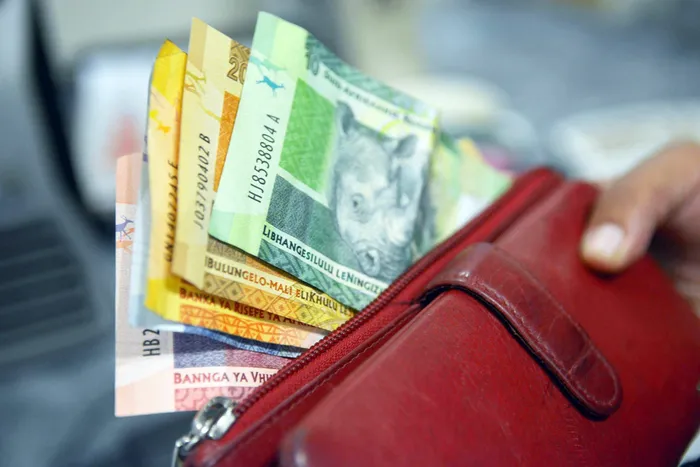
. eThekwini Ratepayers Protest Movement advocates for greater transparency and inclusion in the municipal budget drafting process for 2026/27.
Image: File
THE eThekwini Ratepayers Protest Movement (ERPM) has called for enhanced public participation in the municipal budget preparation process for the 2026/27 financial year.
The movement is advocating for a more transparent approach, urging municipal officials to include them in the drafting and preparation stages of the budget, along with the publication of the budget and the Integrated Development Plan (IDP) process.
"Deliberations have commenced on mid-year budget performance and preparations for the 2026 municipal valuation roll," says Asad Gaffar, chairperson of ERPM.
He expressed growing concerns regarding the municipality's reliance on post-draft consultations as the primary means for public engagement.
Gaffar hopes to receive a response from the municipality by February 6, 2026, outlining how the ERPM can be included in the preparatory phase of the budget drafting process. He also raised concerns about the mid-year budget and performance assessment report for the period ending December 30, 2025.
According to the eThekwini Finance Committee report presented at the council meeting on Thursday, the actual operating revenue was reported at 98% of the year-to-date budget, with a variance of -2%. Revenue generated sits at 54.83%.
The capital expenditure is currently at 84% of the budget, with a variance of -16%. During discussions at the committee level, it was noted that the cost coverage ratio is 14 days, excluding grants, and 20 days including grants.
Additionally, concerns were raised regarding the creditors' payment period, which currently stands at 50 days, exceeding the benchmark of 30 days. The total outstanding creditors at the end of December 2025 reached R1.7 billion, a significant increase from R222 million in the previous year, marking a staggering 151% rise.
Gaffar also voiced his apprehension about repeated budget reprioritisations throughout the financial year cycle. The ERPM is particularly worried that public participation has historically taken place only after the eThekwini Executive Committee (EXCO) has deliberated on tariffs and revenue assumptions, and a draft budget framework has already been established.
"At that stage, the scope for meaningful influence is materially limited, reducing public participation to a procedural compliance exercise rather than a genuine consultative process," he said.
"This approach has had tangible financial consequences, including sustained increases in property rates, service tariffs, and municipal charges implemented without early engagement on affordability, valuation impacts, or alternative options," Gaffar added.
He emphasised that the legislative framework and the Municipal Systems Act require community participation and transparency in the preparation of the municipal budget, not merely after substantial decisions have been made.
"By the time a draft budget is tabled, key decisions relating to tariffs, revenue modelling, valuation assumptions, and expenditure priorities have already been fixed. Participation at that stage cannot meaningfully influence outcomes," he concluded.