

The role played by palliative care professionals is highlighted today on World Cancer Day
Image: File
AS the world unites for World Cancer Day today, attention pivots to a critical yet often overlooked component of cancer care: the essential role played by palliative care professionals.
The 2026 World Cancer Day campaign emphasises a shift towards people-centred cancer care, highlighting the importance of addressing patients’ lived experiences and emotional realities while ensuring care tailored to individual circumstances.
Palliative care transcends traditional medical treatment. It is defined as the comprehensive physical, psychological, social, and spiritual support provided by an interdisciplinary team of experts to patients with life-threatening illnesses and their loved ones.
This holistic care extends from the moment of diagnosis through to bereavement support, ensuring a continuum of compassion and respect for the patient's journey.
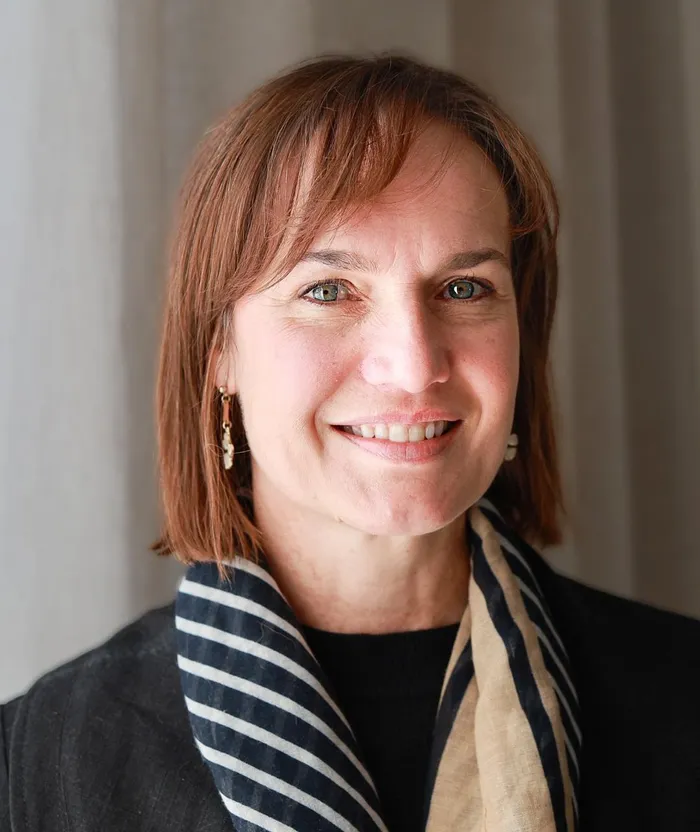
Hanneke Lubbe, chair of the Free State chapter of the Association of Palliative Care Centres (APCC) and CEO of Hospice Bloemfontein
Image: Supplied
Hanneke Lubbe, chair of the Free State chapter of the Association of Palliative Care Centres (APCC) and CEO of Hospice Bloemfontein, said palliative care teams were not multidisciplinary, they are interdisciplinary,” said Lubbe.
“In a multidisciplinary team, each professional contributes from their own perspective, often working in parallel. An interdisciplinary team goes further, the different disciplines integrate their expertise, share decision-making, and develop a unified care plan. This collaborative approach ensures that patients receive truly coordinated, whole-person support.
“They are specialists in pain and symptom management, psychosocial support, spiritual care, family systems support, home-based clinical care and bereavement and anticipatory grief. They also know how to negotiate South Africa’s fragmented health systems and are equipped with the requisite skills for trauma-informed communication and paediatric palliative care,” said Lubbe.
She said there was a very big misconception about palliative care.
"Although palliative care includes end-of-life care, we actually get involved as soon as a life-limiting diagnosis is made.
“We know a life-changing diagnosis needs more than just simple, normal care. It’s not just the patient; it also affects the people around them. They all need to come to terms with how to deal with this life-changing moment and journey,” said Lubbe.
According to statistics released by 36 APCC members, so far in 2026, these centres are offering care to a combined total of 1,920 cancer patients and 8,076 family members.
In 2024 and 2025, more than 4,000 patients and over 17,000 family members sought assistance from these facilities.
By tackling everything from food insecurity to providing counselling and emotional support, family support, home-based care, support for caregivers and culturally and language-aligned psychosocial care, the interdisciplinary specialist disciplines that fall within palliative care quietly hold patients and families together.
Dr Sinalo Maleho, a GP at East Rand Palliative Care, said palliative care helps manage patients’ pain and other symptoms, especially during their treatment programme.
“This can help them fight the disease more effectively. Studies show those who receive palliative care live longer and have a higher quality of life than those who do not receive it.”
APCC CEO Motlalentoa Motsoane hopes to see more medical professionals referring patients for palliative care soon after a diagnosis of a life-threatening disease is made.
“Medical treatment and palliative care should be seen as working hand in hand. While surgery and chemotherapy focus on treating the disease, palliative care supports patients from the point of diagnosis with expert symptom and pain management, as well as psychological, social, and spiritual care. “It’s also important to understand that patients don’t necessarily remain in palliative care; some transition out of it if their condition improves or their treatment becomes curative,” said Motsoane.