

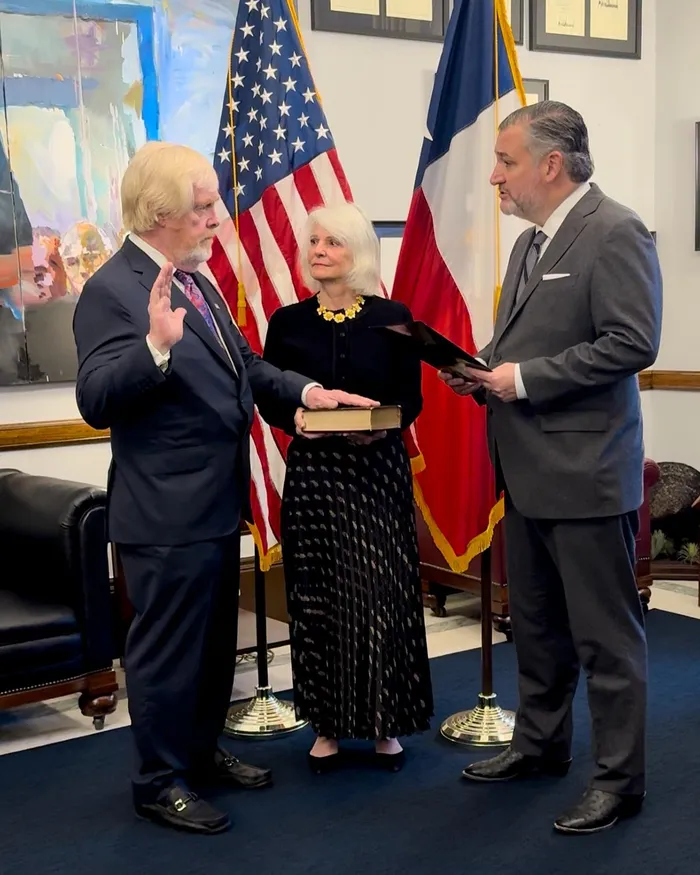
Brent Bozell III being sworn in as US Ambassador-designate to South Africa. The controversial diplomatic representative arrived in South Africa this week.
Image: US Embassy South Africa
South Africa’s ambassador to the United States Ebrahim Rasool was expelled, declared persona non grata for doing what diplomats are increasingly punished for: speaking critically of power. His offence was not espionage or misconduct. It was political speech, directed at the Trump administration, and it was met with the bluntest instrument in the diplomatic toolbox.
Pretoria did not retaliate. It absorbed the blow. The post in Washington remains vacant.
Then came the counter signal.
Washington moved to appoint Brent Bozell III as its representative to South Africa who has just landed in the country. A figure long associated with ultra‑right media activism, open hostility to the South African government, sympathy for apartheid, and the recycling of the discredited “white genocide” narrative. This is not a neutral appointment. It is a message. And it is meant to be read.
The question now before Pretoria is not whether this is insulting. It is. The question is whether South Africa will respond with gesture or with strategy.
When a superpower humiliates a middle power by expelling an ambassador, leaving a post vacant, or sending a representative whose politics are designed to provoke. It is not only speaking to the receiving state. It is performing for its own domestic audience.
The danger is responding to performance with performance.
Because in unequal relationships, symmetry is an illusion. The symbolism may be equal. The consequences never are.
International diplomatic practice allows a host state to delay or refuse credentials. No explanation required. No apology owed. The law is permissive.
But the law does not pay the bill.
The bill arrives elsewhere: in markets that price uncertainty. In investors who quietly pause. In compliance regimes that suddenly become less forgiving. In multilateral rooms where your voice is heard but no longer leaned toward.
This is not punishment announced. It is pressure ambient.
The recent tit‑for‑tat with Israel could be cited as proof that South Africa can and should respond in kind. But that comparison collapses under scrutiny. That relationship was already in open rupture. Retaliation was expected. Escalation was already priced in.
The United States is different. Not because it is morally superior. But because it is structurally central. Its reach is systemic. Its displeasure travels through finance, trade, compliance, and narrative power long before it travels through formal sanctions.
To pretend otherwise is not radical. It is reckless.
As the new US chief envoy arrives on our shores, the mistake would be to personalise this moment. This is not about whether a particular individual is acceptable to South African society, though that question matters. It is about whether Pretoria allows provocation to set the tempo of its foreign policy. If every insult triggers rupture, then the other side controls the rhythm. And rhythm, in diplomacy, is power.
Refusing credentials would be morally legible and politically satisfying. It would draw a clear line. It would say: we will not host disrespect. But it would also hand Washington a simple narrative that South Africa is hostile and invite escalation on terrain where Pretoria is structurally exposed.
Refusal is not wrong. It is simply expensive. And the invoice will not be itemised.
Accepting credentials without setting terms would be worse. It would signal that pressure works. That humiliation is survivable. That sovereignty is rhetorical. That path teaches the wrong lesson.
The strongest option, the one that requires the most statecraft is to delay, or to accept, but on South Africa’s terms.
This means:
no symbolic indulgence
no megaphone diplomacy
no tolerance for disinformation or racial incitement
engagement kept technical, institutional, and bounded
It means making it clear, privately and publicly, that South Africa separates state relations from ideological theatre. That respect for constitutional order and social cohesion is not negotiable.
This is not weakness. It is control.
There is a dangerous idea circulating that restraint equals submission. It does not. Submission is silence without strategy. Restraint with doctrine is something else entirely. A state that knows its interests does not need to shout. It needs options. It needs channels. It needs time. And it needs to choose its battles where it can actually win them.
We are living in an era where diplomacy is increasingly domesticated. Used as fuel for internal political wars. Ambassadors become symbols. Expulsions become content. Rules remain, but power bends them. The Trump Administration has perfected this kind of political theatre.
In that world, the task of a middle power is not to mimic the superpower’s behaviour, but to outlast it. That requires discipline. And patience. And the courage to refuse the easy gesture in favour of the effective one.
The test is not whether we can say no. South Africa has said no before. It will say no again. The test now is whether we can say not like this.
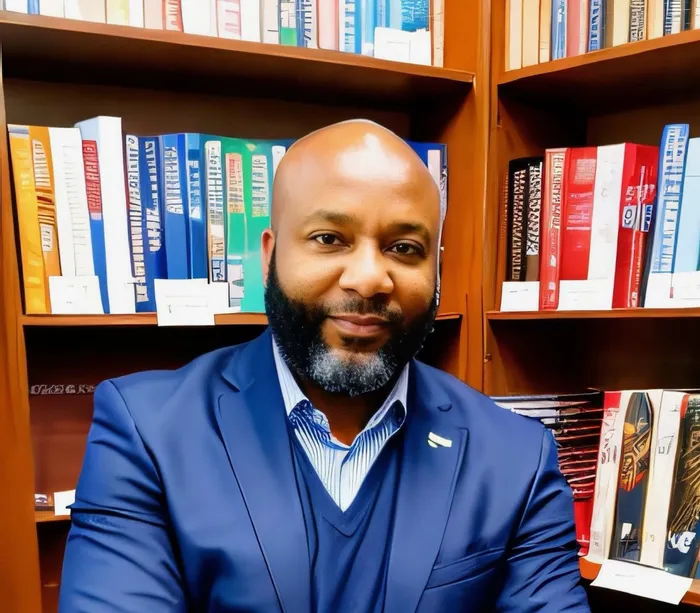
Nco Dube, a political economist, businessman and social commentator
Image: Supplied
Delay the credentials or accept them with a harder doctrine. Keep the channels open. Harden the boundaries. Appoint a formidable envoy to Washington. Build leverage quietly. Diversify partnerships relentlessly.
That is how dignity survives power.
Not by mirroring its tantrums but by denying it control over our response.
(Dube is a noted political economist, businessperson, and social commentator on Ukhozi FM. His views don't necessarily reflect those of the Sunday Tribune or IOL. For further reading and perspectives, visit: http://www.ncodube.blog)
For more thought provoking opinions visit this link below: