

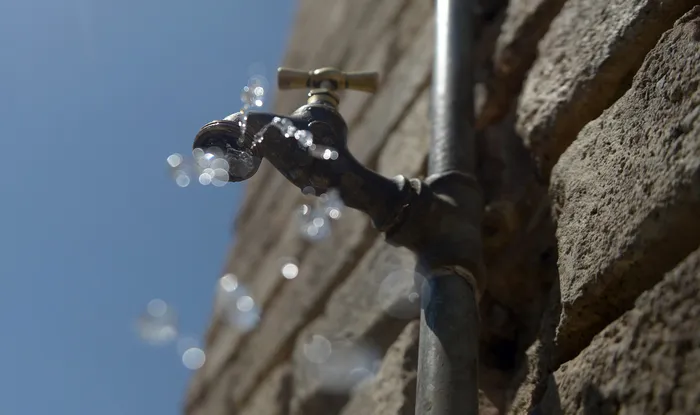
Residents in Durban have been going without water for days due to their supply being interrupted.
Image: Oupa Mokoena / Independent Newspapers
Water supply across large parts of eThekwini is expected to gradually stabilise after urgent repair work on the Nagle Dam aqueduct system supplying the Durban Heights Water Treatment Works reached an advanced stage.
This follows days of water disruptions across the metro after a failure linked to a control valve on the aqueduct system reduced raw water flows to the treatment plant, creating a significant shortfall in the city’s supply network.
In response to the crisis, eThekwini mayor Cyril Xaba convened an urgent meeting of the Executive Committee this evening to assess the situation and identify measures to ensure continued water supply while repairs are completed.
The meeting was also attended by the executive management of uMngeni-uThukela Water, the bulk water supplier to the municipality.
Xaba said the meeting aimed to obtain an update on the progress of repairs and to implement temporary interventions to stabilise the city’s water distribution system.
“Let me assure the residents of eThekwini that repairs to the valve at Nagle Dam are practically complete, and technical teams remain on site working to commission the system,” he said.
He said that while the repair process had not yet been finalised, progress made by technicians would significantly improve the flow of raw water to the Durban Heights system.
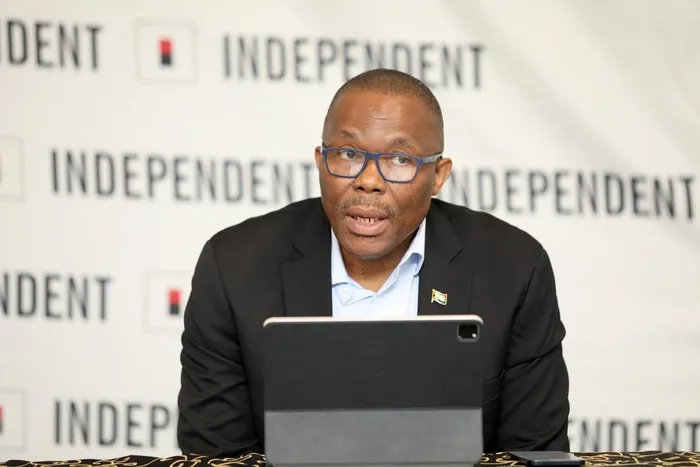
eThekwini Municipality mayor Cyril Xaba held an urgent meeting on Saturday with the executive management of Umgeni-uThukela Water.
Image: Supplied
According to the mayor, an isolation valve that had seized in a closed position at Nagle Dam has now been lifted.
This development has allowed the Durban Heights Water Treatment Works to begin receiving a full supply of raw water from the dam for treatment.
“This is a critical step toward restoring normal operations within the eThekwini water supply system,” Xaba said.
As a result, the Durban Heights treatment plant is expected to return to full treatment capacity from Monday.
Once operating at full capacity, the plant will process the maximum volume of water and begin replenishing the city’s broader distribution network.
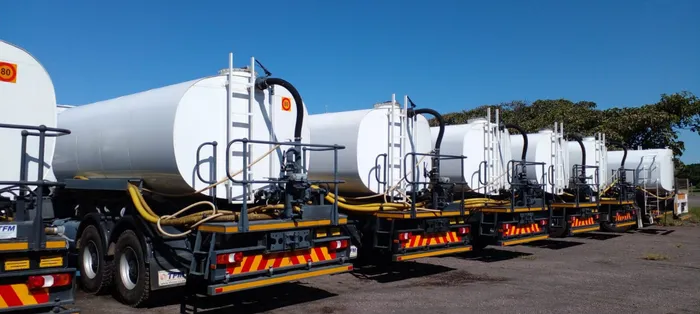
To assist affected communities, the eThekwini Municipality will activate five water tanker filling points, where tankers will collect water for distribution.
Image: File
However, Xaba cautioned that full recovery of the reticulation system could take up to two weeks as reservoirs gradually refill and pressure across the network stabilises.
During the disruption, the eThekwini water supply network experienced a daily shortfall of about 150 megalitres of water.
This deficit caused several reservoirs across the municipal system to run critically low, resulting in supply interruptions across multiple areas of the metro.
The aqueduct system forms a critical raw water supply route feeding the Durban Heights plant, which distributes treated water to a large portion of the metropolitan area.
The valve failure and operational challenges within the aqueduct system triggered instability across several reservoirs and supply zones.
To manage the situation, the municipality and uMngeni-uThukela Water introduced a temporary stabilisation and rationing plan aimed at protecting remaining water reserves while repairs were underway.
“These measures are temporary and are intended to restore stability to the network as quickly as possible while minimising widespread outages,” Xaba said.
As part of the stabilisation strategy, the city will reconfigure supply across the Northern and Southern aqueducts.
Both aqueducts will be temporarily supplied from Durban Heights Reservoir 2, which has a smaller storage capacity.
Officials say this approach will allow for a faster recovery period by enabling the municipality to focus on filling one reservoir instead of two.
Durban Heights Reservoir 3, which has a larger capacity, will remain isolated until repairs to Aqueducts 3 and 4 are completed and raw water flows improve.
A water rationing plan has also been introduced across affected supply zones.
Under the arrangement, some consumers will receive water only during morning supply periods, while others will receive water during both morning and afternoon windows until the system stabilises.
Pumping operations will also be adjusted to prioritise the restoration of supply.
Pumps transferring water from Durban Heights Reservoir 1 to Pinetown and surrounding reservoirs will operate for 16 hours per day to maximise volumes directed to Reservoir 2.
In addition, outlets from several reservoirs will operate on scheduled timeframes to manage limited supply while reservoirs refill.
To support communities affected by the disruptions, the municipality will activate five water tanker filling points.
Tankers will collect water from the Mobeni Depot, Jeffels Road Depot, Pinetown Depot in Halifax, Canelands, and the Alverstone Nek Reservoir for distribution to affected areas.
A tanker deployment schedule has been prepared to ensure water reaches communities experiencing the most severe shortages.
Municipal officials said the situation continues to be closely monitored in coordination with uMngeni-uThukela Water as repair work concludes and raw water inflows are restored.
Residents and businesses have been urged to reduce consumption while the network stabilises.
“The Municipality and uMngeni-uThukela Water apologise for the inconvenience caused,” Xaba said.
He also appealed to residents to use water sparingly while the system recovers and reservoirs gradually return to normal levels.