

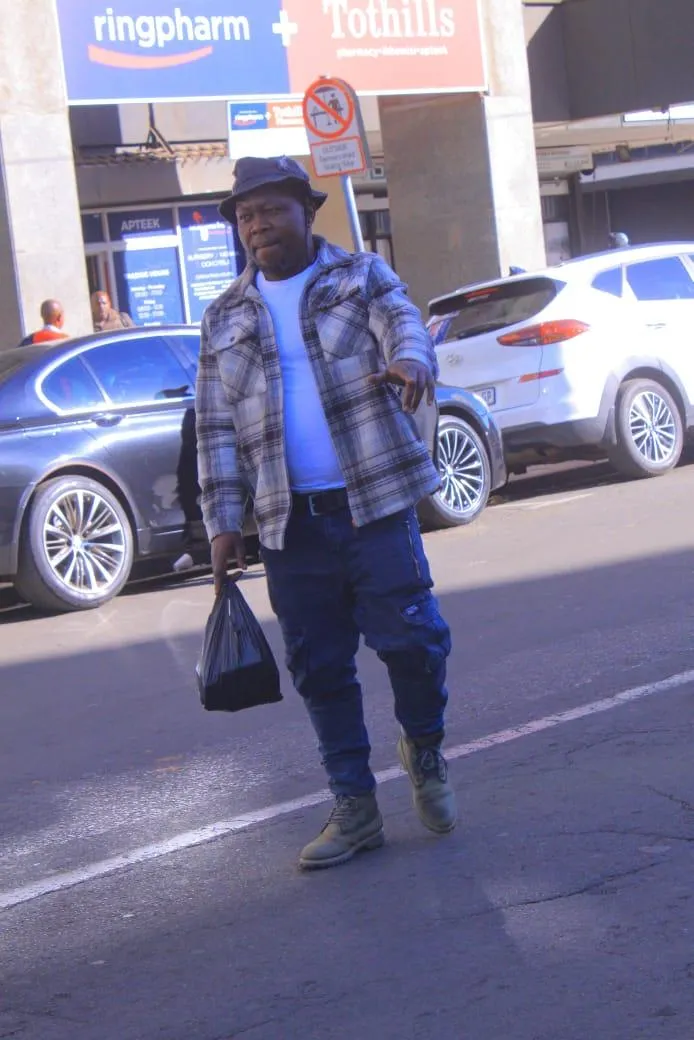
An unemployed mother of three from eMakhabeleni village, KwaVukaphansi in Kranskop has appealed to the KwaZulu-Natal MEC for Transport and Human Settlements for assistance in repatriating her husband, Sihle Makhaye, who died in Russia last month after being recruited by an agent and caught up in the country’s conflict with Ukraine. The grieving widow says even the return of his ashes would bring closure to her family.
Image: Supplied
The devastating human cost of the Russia-Ukraine conflict has hit home in Kranskop under the uMzinyathi District, in KwaZulu-Natal where a widow living in a dilapidated RDP house is fighting a desperate battle to bring her husband’s body home.
Sibonile Ndwandwe, a mother of three, from eMakhebeleni village in KwaVukaphansi, Kranskop, has reached out to MEC for Transport and Human Settlements in KZN, Siboniso Duma, following the death of her husband, 44-year-old Sihle Makhaye.
Lured by Promises, Lost to War
Makhaye was reportedly one of 12 men recruited from the region to travel to Russia. While many were allegedly lured by the promise of lucrative work as specialised bodyguards, reports suggest several were instead sent to the frontlines of the war with Ukraine.
Makhaye died on March 28. His wife admits that while he was secretive about the specifics of his recruitment, the reality of his situation only became clear when the "bad news" of his death reached her rural home.
A Family in Distress
The tragedy is compounded by the family’s dire financial situation. Living in a combination of a mud house and a nearly 30-year-old RDP structure, Ndwandwe has been presented with grim options by authorities regarding her husband's remains:
Government Intervention
Duma has responded to a voice note sent by the distressed widow, pledging that the provincial government will not leave her to face this crisis alone.
"The MEC has mandated his office to bridge the gap between the family and all spheres of government," read the statement from the MEC’s office.
Duma has tasked the Head of Department (HoD) for Human Settlements, Max Mbili, to lead a team to profile the family's needs. Furthermore, Duma is in direct communication with the Minister of International Relations and Cooperation (DIRCO), Ronald Lamola, to seek diplomatic guidance on the repatriation of Makhaye’s mortal remains.
The Broader Crisis
The Department of International Relations has already intervened in the cases of other South Africans who were lured under similar "job deals" and have since safely returned home. However, for the Makhaye family, the intervention comes too late for a happy reunion.
MEC Duma is expected to visit the family as soon as his schedule permits to offer support and further clarify the steps being taken to bring Makhaye back to South African soil.
Desperate Plea
According to a voice note from Ndwandwe heard by the Sunday Tribune, Makhaye was one of 13 men recruited by an agent for work in Russia, departing South Africa on December 24.
The unemployed Ndwandwe expressed a desperate need for finality: "I would like my children to get closure... to at least point to his grave. Even if we get his ashes, we would find closure."
The incident highlights a growing crisis; in February, four other men from the same group were repatriated following a direct appeal from President Cyril Ramaphosa to Russian President Vladimir Putin.