

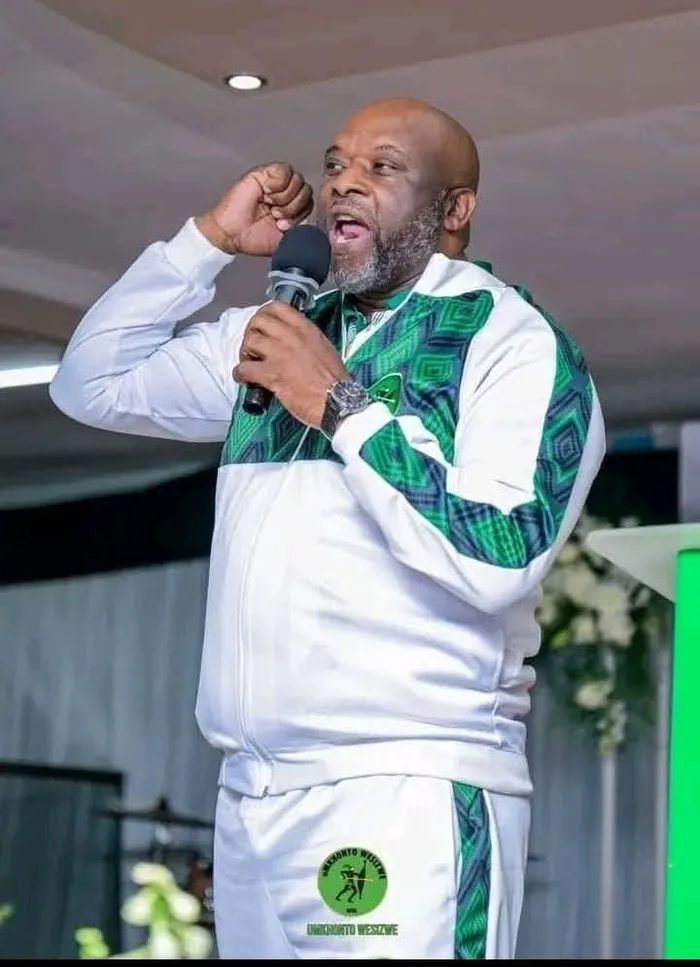
Newly appointed uMkhonto we Sizwe (MK) Party KwaZulu-Natal organiser, Gobi Makhanya, is a man on a mission. Zohra Teke sat down with him to find out more.
Image: Supplied
Newly appointed uMkhonto we Sizwe (MK) Party KwaZulu-Natal organiser, Gobi Makhanya, is a man on a mission. Zohra Teke sat down with him to find out more.
If you thought MK members are all about Umshini Wami jiving and chaos, then you haven’t met Gobi Makhanya. He is the quiet, humble force working in the “trenches” to build the party, away from the limelight. A former union activist and senior executive at the SA Revenue Service (SARS), and a graduate of the Gordon Institute of Business Science, the 56-year-old is unfazed by the task ahead, with crucial local elections looming. He’s cool, calm, analytical and confident.
“Does it scare you, even a little, that a new poll shows MK is losing support? Some people call MK a stokvel party, and the musical chairs of changes—eight Secretaries-General in less than two years—doesn’t instil confidence in the party, does it?” I ask directly.
Makhanya smiles. It’s not a smirk, nor a dismissive shake of the head—rather, an acknowledgement of public concerns, especially among its supporters.
“What some may interpret as a weakness, we see as a strength. We are a new party and, actually, change is good. It shows that we are not driven by positions. We give people a chance and if it doesn’t work, we change and move on. This is not like the ANC, where you stay in that position come what may. We don’t wait too long before it creates a problem, like other political parties. They are where they are now because they left the cancer to eat them slowly. If a person is not delivering to expectations, we move quickly before it becomes a bigger issue,” explains Makhanya.
With local elections later this year, political parties understand all too well what’s at stake. It’s a precursor to the next general elections and an opportunity to prove their governance prowess. After all, that’s what matters—especially in local elections, which are about bread-and-butter issues.
The MK Party is no different—except that they are the dark horse, once again. It’s their first local elections since their explosive entry in the 2024 general elections. There, they emerged from the shadows to steal the show and become the country’s third-largest party less than three months after their formation, clinching 2.3 million votes—14.58% nationally. A stunning political tsunami resulting in a historic seismic political shift.
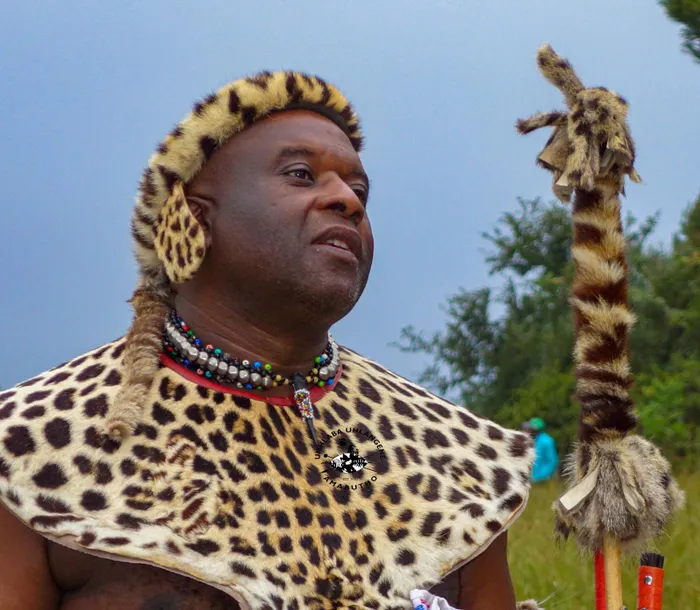
'We are going to win at least 70–80% of municipalities in KZN, I can tell you that. We are confident that we will win by a majority in most councils and won’t need a coalition. We are not going to allow this election to be stolen from us like 2024,' says MK Party KwaZulu-Natal organiser, Gobi Makhanya.
Image: Supplied
But does the party still hold sway? In its heartland of support—KZN—indications are that it’s still going strong, despite internal disruptions. The Zuma effect and traditional appeal still hold their charm.
The party commands 37 out of 80 seats in the provincial legislature—making it the largest party—but it has been excluded from the Government of Provincial Unity. That, however, has not deterred its resolve. The party is ready for local elections, says Makhanya.
“We are going to win at least 70–80% of municipalities in KZN, I can tell you that. We are confident that we will win by a majority in most councils and won’t need a coalition. We are not going to allow this election to be stolen from us like 2024,” he adds.
It’s a confident, bold prediction—one that’s bound to cause jitters among those in coalition: the DA, ANC and IFP. Asked about MK’s choice of governing partners if it came to a coalition of their choosing, he replied: “We want black parties to unite. And they must share our vision. We want to reclaim the dignity of the African people. We want to reclaim the land, we want to improve the lives of the black majority in this country. We want our people to have a liveable income, water, electricity, homes that give them dignity. So for us, black parties must come together. What we will never do is enter into any coalition with the DA,” says Makhanya emphatically.
While a new poll shows declining support for MK, there is still a strong enough sway in the party’s direction. The dip is not enough to unseat it as the majority in KZN—or so it seems.
The party has won several by-elections in KZN, defeating the ANC in places like Richmond in 2025 and other wards, showing retained grassroots momentum in its core areas. This is an indication of continued support, despite internal organisational turmoil which includes leadership changes, suspensions, scandals involving Zuma family members, and broader organisational instability.
The party's performance in Parliament has been described as lacklustre by some analysts, and its recent failed no-confidence motion against the KZN Premier highlights operational struggles, but is it enough to burst the MK bubble?
It’s hard to tell—but the Zuma factor remains strong, and that is an indication of the party’s staying power too. Makhanya is convinced the Zuma effect will once again, clinch their victory.
“We made some mistakes, but we are growing, improving, learning. We know what our people want. We are focused. We will also be engaging with election officials to ensure there won’t be issues around vote rigging. Party agents must be well trained. In fact, our party has a number of professionals and mature strategists, and we will be looking to build on that. For example, when we govern, we want to invite professionals with skills to help us improve service delivery and speed up infrastructure delivery. And they don’t need to support MK to do that. We want to get things going and we need skills to do that,” added Makhanya.
The MK confidence is still there. But its performance in the local elections will be a key test on whether it can build on its 2024 breakthrough—or remain on the opposition benches.
IOL