

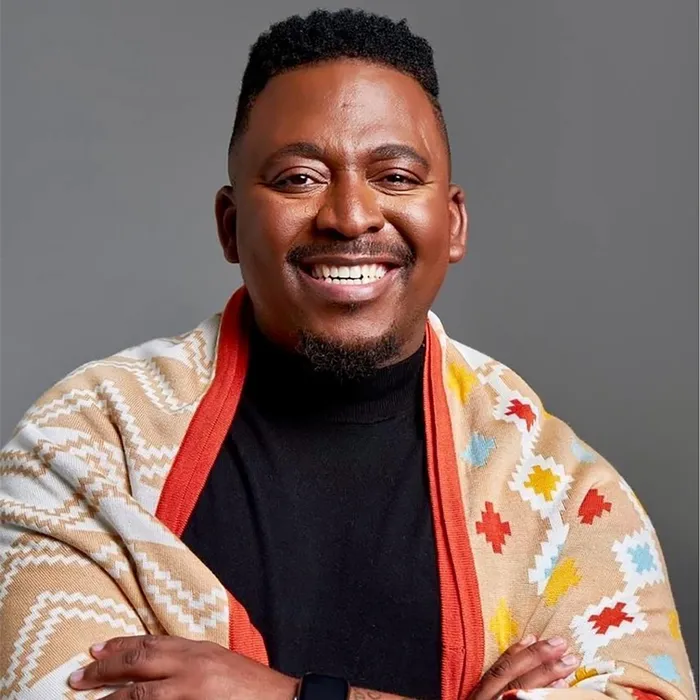
Anele Siswana is a Clinical Psychologist and Igqirha (Xhosa divine healer).
Image: Supplied
For many of us, healing starts in the home, in ritual, in community, and in deep spiritual connection. As both a clinical psychologist and Igqirha, a Xhosa divine healer, I have come to understand that mental wellness in Africa cannot be fully supported without acknowledging the value of African traditional medicine and spirituality.
For centuries, African communities have turned to indigenous healing systems to address physical, emotional, and spiritual challenges. These systems include the use of medicinal plants, spiritual divination, ancestral rituals, and the strength of communal support. For many, traditional medicine is not ‘alternative’ – it is the first and most trusted form of care.
Unfortunately, over the years, traditional healing practices have often been dismissed or viewed with scepticism in mainstream medical settings. Yet, in my clinical work, I see how many patients quietly seek help from both health facilities and spiritual healers, such as amagqirha, izangoma, prophets, and abantu bomoya, those commonly referred to as traditional healers, for support because both hold value in different ways.
In South Africa’s current mental health landscape, one of the greatest opportunities we have is to integrate African wisdom with modern clinical approaches. This integration does not mean replacing one with the other – it means recognising how they can complement each other to heal more fully.
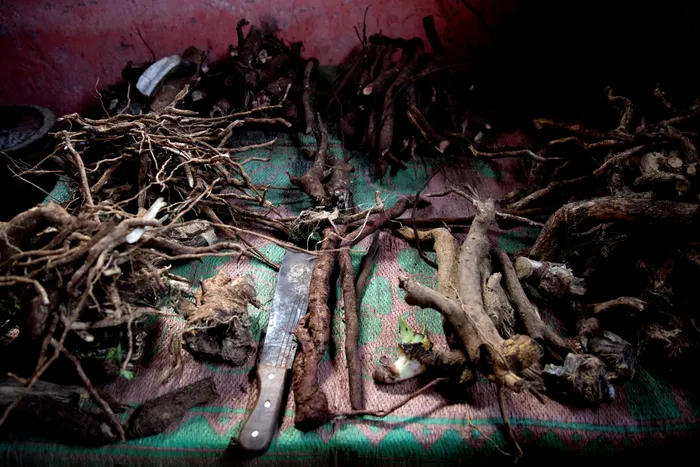
Over the years, traditional healing practices have often been dismissed or viewed with scepticism in mainstream medical settings.
Image: Reuters / Nicky Woo
As a clinician, I use scientifically grounded methods like talk therapy, trauma counselling, and diagnostic assessments. As an igqirha, I also understand the deep importance of ancestral callings, spiritual unrest, and cultural rituals in shaping a person’s wellbeing. These are not just ‘beliefs’, they are the lens through which many understand their suffering, their healing, and their sense of self.
In one example, a young man I once worked with was struggling with recurring dreams, panic attacks, and unexplained physical pain. In the clinical setting, this could be diagnosed as anxiety or even psychosomatic distress. But through an African perspective, we also explored whether his dreams held spiritual meaning or signalled a deeper calling. Rather than choosing one path over another, we worked together to find a healing pathway that respected both his mental health and his spiritual identity.
We need to ask ourselves as clinicians, ‘What does healing look like for the average South African?’. For many, it is not just about getting a diagnosis; it is about feeling seen, heard, and spiritually aligned.
This is where holistic and culturally sensitive care becomes essential. Patients shouldn’t feel that they have to choose between a hospital and their family’s healing traditions. Health professionals, particularly in mental health, need to become more open to understanding the cultural and spiritual dimensions of illness.
At facilities like Netcare Akeso, where mental health support is a priority, I believe this conversation is more important than ever. We serve a diverse nation with a deep connection to tradition, and our clinical spaces need to reflect that reality.
Here are some starting points that could help to bring the clinical and traditional worlds closer:
African Traditional Medicine Week reminds us that Africa has always possessed healing knowledge, and that this knowledge remains alive in our families, elders, and healers. By embracing both the scientific and the spiritual, we can create care systems that are not only effective but truly rooted in our identity as a people.
As someone walking in both worlds, my vision is clear: healing is not ‘either/or’. Instead, it can be ‘both/and’. The future of mental health in South Africa lies not in silos, but in the power of integration, where clinical wisdom and traditional knowledge walk hand in hand.
Let us honour our ancestors, our clinicians, and most importantly, our people, by making space for both science and spirit in how we care for one another.