


Sane Mangaxaba
Image: Supplied
AS South Africa celebrates Tourism Month, tourism remains one of the country’s most powerful forces for economic growth and transformation. Between January and July 2025, South Africa welcomed more than 5.8 million international visitors, generating billions in foreign spending and sustaining thousands of livelihoods.
KZN continues to capture a significant share. In the first quarter of 2025, the province welcomed 194,000 international tourists, contributing R1.5 billion in foreign spend, while 1.9 million domestic trips generated R6.1 billion. These figures underline the province’s importance in South Africa’s tourism economy.
Now, KwaZulu-Natal Tourism and Film Authority (KZNTAFA) is determined to channel more of these benefits into the province’s townships and rural heartlands.
“Township and rural tourism is not a side story, it is the next frontier of KwaZulu-Natal’s growth. If we are serious about sustainable transformation, then we must ensure the benefits of tourism flow into our townships and rural villages, creating jobs, pride and opportunity where they are needed most,” says Sibusiso Gumbi, Acting CEO of KZNTAFA.
Gumbi adds that success will be measured not just by visitor numbers but by “how many livelihoods are created in KZN’s townships and villages. Tourism must change people’s lives for the better. That is the sustainable transformation we are striving for.”
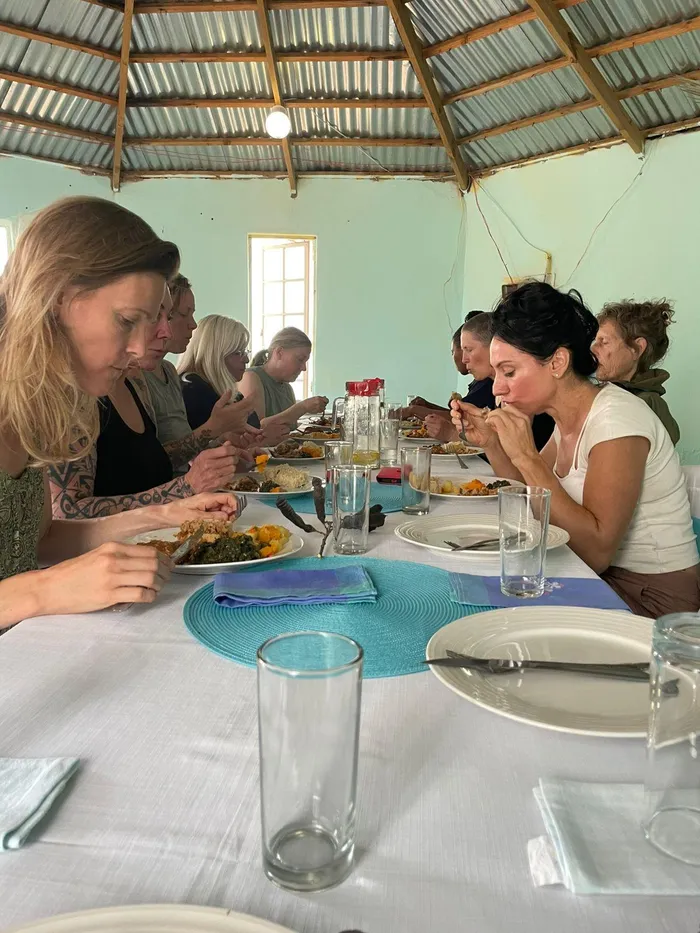
Foreign visitors enjoy a feast of authentic KZN flavours and cuisine at Isitumba Cultural Village in the Valley of 1000 Hills.
Image: Supplied
Rural tourism in the province encompasses travel to small towns, villages and countryside settings, connecting visitors with landscapes, cultures and communities far removed from the usual resort scene. By spreading income into remote areas, township and rural tourism can advance socio-economic transformation, helping to alleviate poverty and empower local communities.
One of the biggest draws is immersion in daily life. Visitors increasingly crave meaningful connections, and rural KZN is perfectly placed to deliver. Travelers can share home-cooked Zulu meals, join in village festivals, consult a sangoma (traditional healer), or learn crafts from artisans.
At Isithumba Adventure Park in the Valley of a Thousand Hills, guests are invited to live “a day in the life” of a local village.
“Many travellers arrive with limited understanding of the lived realities of South Africans. At Isithumba, we expose visitors to authentic cultural experiences, such as consultations with a sangoma (traditional healer). This deepens their appreciation of African healing practices and traditions, while also contributing to provincial tourism by showcasing the real stories, customs, and contemporary lifestyles of local people,” explains Amini Mlaba, founder of Isithumba Adventures.
Visitors may sit around the fire listening to elders’ folktales, enjoy ugusisa (traditional Zulu meals) under starry skies, or even join in cattle herding and beadwork. These encounters create both memories and mutual respect.
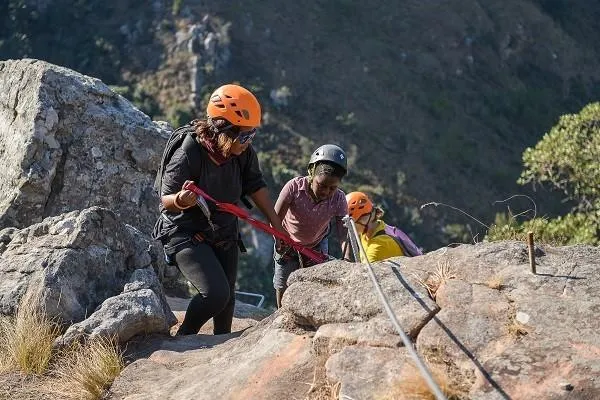
Tourists climbing into the KwaXolo Caves to learn about history and have an adventure.
Image: Supplied
Beyond culture, rural KZN offers nature and adventure: horse-riding in Dundee, waterfall hikes in the Drakensberg foothills, or stargazing from remote homesteads. These experiences appeal to both international tourists and a growing domestic market.
“Tourism is giving us back our pride,” says Chris Phili, chairperson of the Community Tourism Organisation of Clermont, KwaDabeka.
“It makes young people want to learn their history, so they can share it. It shows communities that their culture has value - not just sentimental, but economic.”
He stresses that township and rural tourism was a powerful driver of dignity, jobs and pride. “A single tourist visit can mean a taxi fare for a local driver, a sale for a crafter, a gig for a traditional dance troupe, or a guiding job for a young person. When unlocked properly, it uplifts the entire community.”
Despite the promise, rural tourism faces hurdles. Poor roads, limited signage and weak connectivity hamper access. Safety perceptions can deter visitors, while community buy-in is crucial.
“Despite passion and potential, rural and township tour operators face significant challenges: distance from urban centers, limited skills in marketing and digital promotion, and lack of infrastructure and maintenance support,” noted Mlaba.
Unlike established city attractions, a village homestay may struggle to gain visibility or funding. Tourism is new for many communities, so operators must work hard to involve residents and ensure everyone benefits.
Authorities are tackling these issues by investing in training, infrastructure and marketing. Youth in Inanda and Claremont are being trained as guides and storytellers. Workshops help entrepreneurs sharpen hospitality and digital skills. Attractions are clustered into tourism routes to encourage longer stays, while roads and signage are being upgraded.
KZNTAFA has begun showcasing township and village experiences in its promotions and hosting travel media to uncover hidden gems. Community tourism forums guide development to keep it inclusive and sustainable.
“Government support is crucial to unlock this potential through consistent training, promotional assistance, and networking platforms. Tourism is a powerful tool for transformation and social cohesion, and empowering rural operators ensures inclusive growth for the entire sector,” says Mlaba.
This strategy is bearing fruit. The Dundee July, a grassroots horse-racing festival, now attracts tens of thousands each winter, delivering major economic spin-offs. In Zululand, the iconic Shakaland cultural village is being refurbished, set to inject millions into the local economy.
Projects like the Inanda Heritage Route, linking Gandhi’s Phoenix Settlement with Chief Albert Luthuli’s museum, and initiatives in the Valley of 1000 Hills are also gaining traction. These success stories not only boost revenue but also instil pride in residents, especially the youth.
If trends continue, township and rural tourism could move from niche to mainstream in the years ahead. For visitors, that means a richer South African journey – one where the true soul of KZN is found beyond the beach and city lights, in the warmth of its rural communities.
Sane Mangaxaba is a journalist covering development, public interest reporting and socio-economic transformation. The views expressed does not necessarily represent those of the Sunday Tribune or IOL.