Who owns Zulu culture? The battle for inclusion and identity
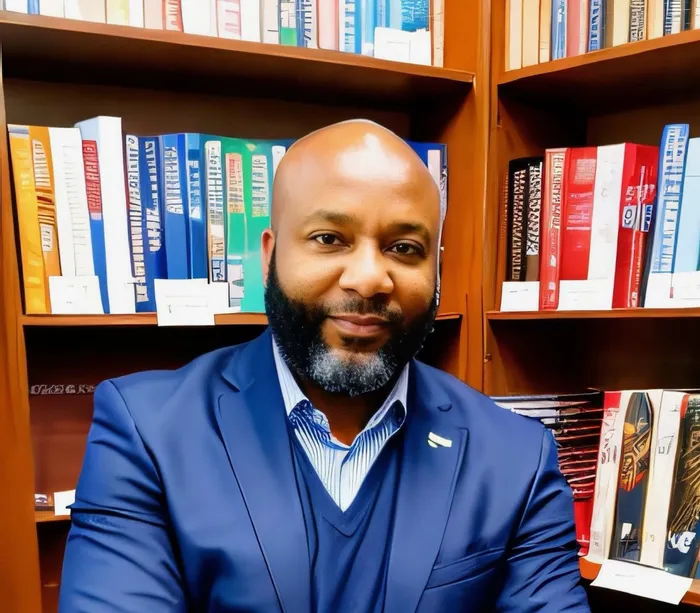
Nco Dube, a political economist, businessman and social commentator
Image: Supplied
The recent tirade by Ngizwe Mchunu against a gay couple’s traditional wedding attire was more than a crude assault on the LGBQTIA+ community; it was an affront to our Constitution and a betrayal of the values that underpin South African society.
By condemning the same-sex couple for wearing imvunulo (traditional Zulu attire), he weaponised culture to stoke hate and division. His rant reduced a living heritage rooted in respect, ubuntu (humanity) and communal pride to a tool of exclusion. We cannot allow pseudo-custodians of tradition to dictate who may claim Zulu-ness or how it is practised.
South Africa’s Constitution guarantees dignity, equality and freedom of association for all citizens, regardless of sexual orientation or belief. Section 16(2)(c) explicitly excludes hate speech from the right to freedom of expression, making it unlawful to incite hatred on the basis of sexual orientation. The SA Human Rights Commission (SAHRC) has opened a probe into Mchunu’s remarks, recognising that public personalities wield real influence and must be held accountable when they incite violence or discrimination. The Constitution demands more than passive tolerance; it insists on active protection of marginalised communities.
Zulu cultural practices have always centred on ubuntu. Our shared humanity, and on communal bonds that transcend individual differences. Imvunulo, that worn nowadays mostly for ceremonies, carries deep spiritual and social meaning, marking rites of passage and honouring ancestors. It has never been the exclusive preserve of a specific gender, age or sexual orientation. Mchunu’s claim that traditional attire is reserved only for heterosexual men not only misreads history but also distorts the inclusive essence of Zulu identity into a narrow, patriarchal caricature.
This distortion is symptomatic of the toxic masculinity that can haunt subcultures like the bhinca lifestyle (the maskandi music-centred lifestyle rooted in fashion and music), where hyper-masculine posturing overshadows the beauty of communal expression. By elevating a narrow ideal of “manhood” above the rhythms of diversity that Zulu culture historically embraced, figures like Mchunu betray the very traditions they claim to defend. They cloak intolerance in the language of preservation, turning cultural custodianship into a licence for bigotry.
Then there is the matter of leopard skin, the ultimate symbol of royal authority in Zulu culture, a privilege traditionally reserved for the king, Inkosi, and those of bona fide royal blood. Yet today anyone with the means to pay can don a leopard skin shawl or cloak, projecting wealth, power and status.
However, the very charlatans who claim to guard our traditions have not raised a single protest. Mchunu himself parades in leopard skin as if he has earned the right, yet he has never explained whether he sought permission from His Majesty the King. This glaring hypocrisy exposes the self-appointed custodians of culture for what they are: opportunists who wield tradition as a weapon against the vulnerable while trampling its sacred protocols for their own aggrandisement.
Mchunu’s brand of pseudo-cult leadership thrives on spectacle. He has built a following by reducing culture to a performance of exclusion, positioning himself as the sole arbiter of Zulu-ness.
The SAHRC’s intervention is a reminder that hate speech has real consequences. Wisani Baloyi, the Commission’s spokesperson, confirmed multiple complaints against Mchunu, noting that his calls for “plague” on a gay man and demands for punitive measures verge on incitement of harm. By advocating criminalisation of same-sex love, Mchunu steps beyond crude bigotry into the realm of actionable offence under South African law. His supporters’ applause risks emboldening violence and undermining the rule of law in communities already vulnerable to discrimination and abuse.
Cultural experts have joined the fray to expose the hollowness of Mchunu’s claims. Professor Gugu Mazibuko of the University of Johannesburg argues that while imvunulo carries layered meanings signifying age, gender and marital status, our democratic society must respect personal choice.
"If same-sex couples choose to wear traditional regalia, we cannot judge them," she says. In contrast, Dr Nokuzola Mndende of the Icamagu Institute defends Mchunu’s stance, declaring same-sex marriages “un-African”. Yet even the Zulu Royal House has not endorsed Mchunu’s exclusionary rhetoric, emphasising that freedom of speech does not equate to immunity from scrutiny.
People do not require permission to love, to belong or to dress in the symbols of their heritage. They need no licence from Mchunu or any other self-styled traditional authority to claim their place within a tribe. If they choose imvunulo for their wedding or other rites of passage, that choice is a manifestation of their personal and cultural freedom. To challenge it is to arrogate to oneself a power that South Africans entrusted not to individuals, but to the democratic institutions that protect our rights.
Mchunu and his supporters confuse the preservation of culture with the preservation of privilege. They cling to a primitive notion that culture is static, owned by a select few, rather than a dynamic living practice that thrives on adaptation and inclusion.
Our Constitution provides the remedy. Laws against hate speech and discrimination exist precisely to curb this brand of repressive rhetoric. Offenders must face legal consequences, and platforms that amplify hate must be held to account.
But legal remedies alone will not suffice. We need a cultural shift from a brittle, exclusionary custodianship of tradition to an expansive, welcoming embrace of diversity. This requires leadership, both political and community-based. Leadership that affirms the rights of the LGBTQIA+ community to live openly, celebrate their heritage proudly, and participate fully in cultural life. It demands educators, faith leaders and traditional authorities speak out against bigotry and model a more inclusive vision of culture.
At the heart of this struggle is ubuntu, a philosophy that recognises our shared humanity and insists on empathy, compassion and mutual respect. Ubuntu calls on us to stand with those who are marginalised, to resist the fear of difference, and to affirm that every person’s identity is part of the rich mosaic that is South Africa. Cultural practices that exclude based on sexual orientation are anathema to ubuntu; they negate the bonds that hold communities together.
The assault on the LGBTQIA+ community by figures like Mchunu is an attack on our Constitution, our values and our collective soul. It lays bare the ugly underbelly of toxic masculinity and the dangers of letting self-appointed guardians of tradition dictate who may claim Zulu-ness. But it also offers an opportunity: to reaffirm that culture belongs to everyone, to strengthen legal protections, and to deepen our commitment to freedom of association and expression.
South Africans must reject the false custodianship of culture that demands obedience and conformity. We must insist on a democracy where sexual orientation is no barrier to cultural participation and where the dignity of every person is sacrosanct. The battle for inclusion is ongoing, and it must be fought in courtrooms, in community halls, and in the hearts and minds of every citizen.
The legacy we choose will define us. Will we hand Zulu-ness over to bigots and demagogues? Or will we reclaim it as a shared inheritance, open to all, and anchored in the principles of freedom, equality and ubuntu? Our Constitution answers that question. It is time we heeded its call.
(Dube is a noted political economist, businessperson, and social commentator on Ukhozi FM. His views don't necessarily reflect those of the Sunday Tribune or IOL. This is an edited version. The full version is available at: www.ncodube.blog and www.sundaytribune.co.za)
SUNDAY TRIBUNE