Women entrepreneurs: the missing half of the G20's economic potential

STATISTICS South Africa revealed that 42.4% of households are headed by women. Despite these numbers women, not just in South Africa, women entrepreneurs receive less than 2% of venture capital despite representing half the world's economic potential, argues the writer.
Image: Yan Krukau / Pexels
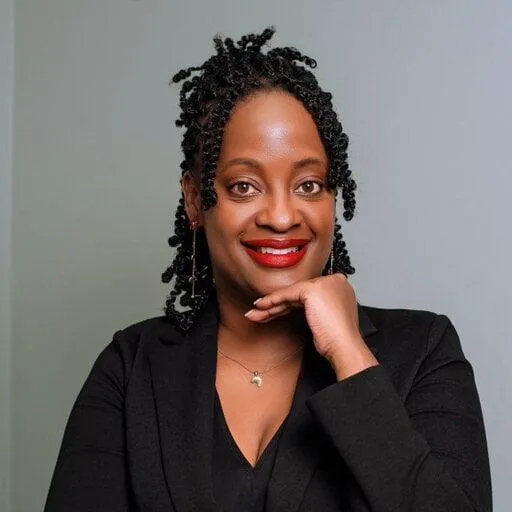
DR ELONA NDLOVU
Image: Supplied
When the world’s most powerful economies gather at the G20, half of its economic potential isstill waiting outside the room. That half is women.
As the G20 deliberates on how to drive inclusive growth, it must move beyond symbolicgestures and place women entrepreneurs at the centre of global economic strategy. The G20 represents 85 percent of global GDP and two-thirds of the world’s population, yet women founders receive less than 2 percent of venture-capital funding worldwide. This is not simply aquestion of fairness; it is an economic blind spot the world can no longer afford.
Across Africa and many developing regions, women are the backbone of small and medium enterprises, powering local economies with innovation, resilience, and resourcefulness. In mywork with women entrepreneurs, I have seen remarkable leadership: women who transform limited resources into thriving businesses that feed families and create jobs. What they lack is not ambition or ability, but access to finance, networks, and markets that remain guarded by systemic barriers.
It is therefore encouraging to see national efforts aligning with this global conversation. The Department of Women, Youth and Persons with Disabilities (DWYPD) this year hosted a conference focused on financial inclusion and women’s empowerment, bringing this critical discourse to policy-makers, entrepreneurs, and academia alike. Initiatives such as these demonstrate what is possible when dialogue turns into collaboration and shared accountability.
The G20, as a global platform of influence, has the power to reinforce such progress. Through its member states and engagement groups, particularly the Women 20 (W20), it can ensure that women entrepreneurs are not peripheral to policy but central to economic transformation. This means embedding gender-responsive strategies into financing mechanisms, digital trade, and sustainable-growth policies rather than relegating women to empowerment side events.
Women’s entrepreneurship is not charity; it is economic justice and smart economics. Studies show that women reinvest up to 90 percent of their income into families and communities.
When women thrive, societies advance in education, health, and innovation. Investing in women multiplies returns far beyond the balance sheet and strengthens the foundations of equitable growth.
The G20 must also leverage the twin opportunities of digital transformation and green growth to close gender gaps. Technology is rewriting the rules of business, and women should not be left behind. Investment in digital literacy, e-commerce access, and online financing can unleash a wave of innovation led by women. Similarly, as nations transition toward green economies, women are well positioned to pioneer climate-smart solutions, from renewable-energy enterprises to circular-economy start-ups, if given the visibility and support they deserve.
For too long, the global conversation on women’s entrepreneurship has been limited to empowerment rhetoric instead of structural reform. It is time for the G20 to move from inclusion by invitation to inclusion by design. Governments, investors, and development agencies must create funding pipelines, mentorship networks, and policy frameworks that treat women not as beneficiaries, but as architects of the global economy.
As a chartered coach and advocate for entrepreneurship, I have witnessed how women transform their communities when equipped with the right tools and opportunities. The evidence is clear: when women lead, economies grow stronger and societies become more just.
The G20’s legacy will not be measured by declarations or communiqués. It will be measured by how many women it brings from the margins to the centre of global enterprise.
(Dr Ndlovu is an executive entrepreneural coach, part-time academic and researcher with an interest in women development and empowerment. Her views don't necessarily reflect those of the Sunday Tribune or IOL)
SUNDAY TRIBUNE