


Some of the thirty Ford Territory 4x4 sport utility vehicles and GWM P-300 Series double cab 4x4 bakkies handed over by KwaZulu-Natal MEC for Cooperative Governance and Traditional Affiars Thulasizwe Buthelezi to traditional leaders. There are concerns about where the funds to procure these vehicles for amakhosi came from. ActionSA KZN leader Zwakele Mncwango argues that the support of traditional leaders matters.
Image: KZN COGTA
The recent decision by the KwaZulu-Natal Department of Cooperative Governance and Traditional Affairs (COGTA) to procure vehicles for amakhosi (traditional leaders) has sparked mixed reactions across the province.
While some have rushed to criticise, it is important to step back and ask a fundamental question: why is it controversial to support and recognise an institution that has long been central to our communities? As ActionSA, we believe that traditional leaders deserve both recognition and meaningful support.
For decades, amakhosi have been relied upon to maintain order, preserve cultural values, and serve as a bridge between communities and government. Yet, despite this vital role, they have often been neglected and under resourced. The institution of traditional leadership is not informal or symbolic, it is recognized and protected by the Constitution of South Africa.
This recognition places a responsibility on government not only to acknowledge traditional leaders but to ensure they are properly empowered to fulfil their duties. Amakhosi are not ceremonial figures.
They are community leaders who deal with real, everyday challenges from resolving disputes and addressing social issues to supporting local development initiatives. In many rural and peri urban areas, they remain the most accessible form of leadership.
For many residents, traditional leaders are the first point of contact long before any government office responds. It is within this context that the provision of vehicles must be understood. This is not a luxury or an unnecessary expense.
It is a practical intervention aimed at improving the ability of amakhosi to serve their communities effectively. Without reliable transport, their ability to reach different areas, attend meetings, and respond to urgent matters is severely compromised.
Those who reduce this intervention to wasteful spending ignore the daily realities faced by traditional leaders. Supporting amakhosi is not about privilege, it is about functionality. It is about ensuring that leadership structures that already exist and are recognised by law are given the tools to operate efficiently.
The Democratic Alliance must understand that it is either they believe in the institution of traditional leadership or they do not there is no middle ground. One cannot claim to respect constitutional provisions while simultaneously opposing practical measures that give effect to those very provisions.
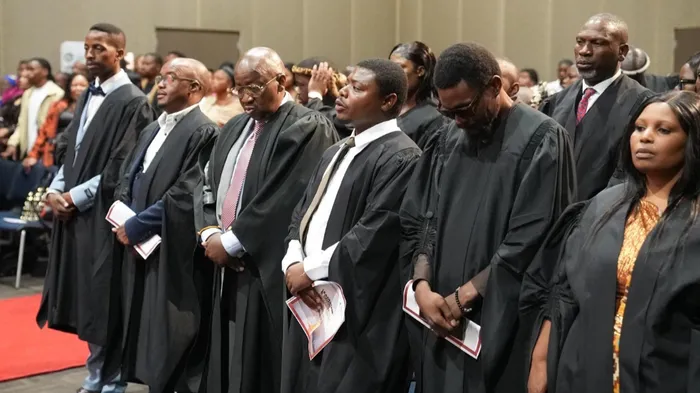
Forty-seven KwaZulu-Natal amakhosi (traditional leaders) graduated from a year-long University of KwaZulu-Natal's leadership and governance programme in partnership with KwaZulu-Natal Cooperative Governance and Traditional Affairs earlier this year. ActionSA KwaZulu-Natal leader, Zwakele Mncwango, argues that the support of amakhosi through skills development and resources like the recent hand over of Ford SUVs and GWM double cab 4x4 bakkies is necessary for them to deal with everyday challenges.
Image: KZN Cogta
This selective approach undermines both the Constitution and the lived realities of communities that depend on traditional leadership. This does not mean that government spending should not be scrutinised. On the contrary, accountability and transparency must always be upheld.
The procurement process must be fair, lawful, and open to public oversight. However, opposing the very idea of supporting traditional leaders is both short-sighted and unfair. Under the leadership of KwaZulu-Natal Cooperative Governance and Traditional Affairs MEC Thulasizwe Buthelezi, we are beginning to see a shift in how traditional leadership is treated.
There is a clear intention to restore dignity and ensure that amakhosi are no longer sidelined in governance processes. This is a step in the right direction. South Africa cannot claim to value its cultural heritage while neglecting those who safeguard it.
Nor can we speak of inclusive governance while ignoring leaders who remain deeply embedded in community life. The restoration of dignity to Amakhosi is not an act of generosity, it is a necessary correction.
It is about aligning government action with constitutional principles and recognising the lived realities of our people. For too long, traditional leaders have been used when convenient and ignored when it mattered most. It is time to change that.
Supporting amakhosi is not just about the present, it is about building a future where all forms of leadership are respected, empowered, and able to contribute meaningfully to the development of our communities.
Now is the time to move beyond political noise and focus on what truly matters: restoring dignity, strengthening governance, and serving the people of KwaZulu-Natal with fairness and respect.
(Mncwango is KwaZulu-Natal ActionSA Chairperson. His views do not necessarily reflect those of the Sunday Tribune or IOL)
For more thought-provoking opinions click on the link below:
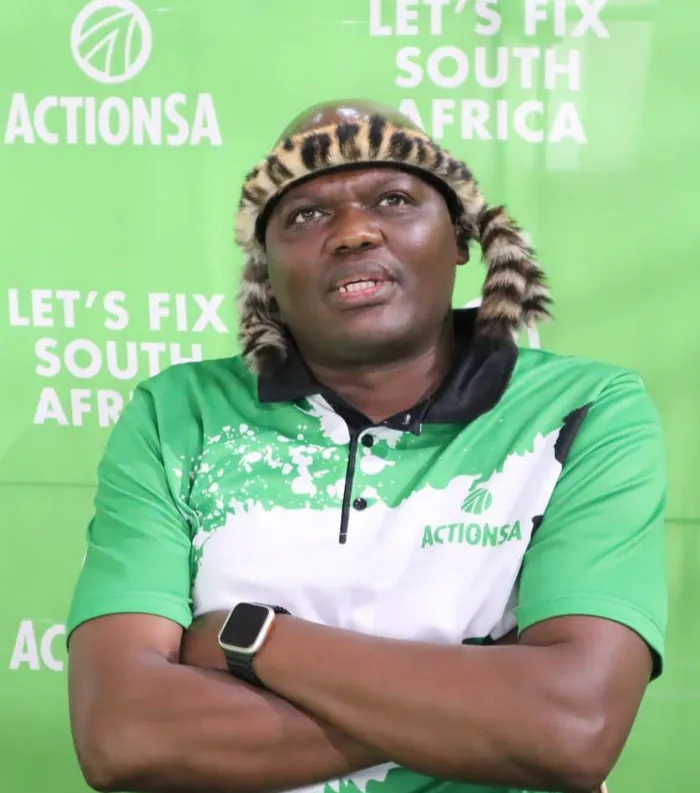
Zwakele Mncwango is ActionSA's KwaZulu-Natal leader.
Image: Supplied