

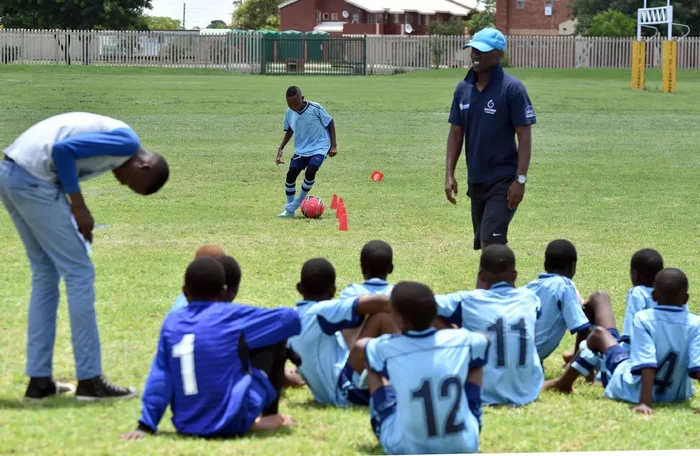
In this file photo kids play sports during Provincial Rural Sports Development programme at Themba stadium in Hammanskraal.
Image: Oupa Mokoena
Sport, arts and culture are not luxuries. They are powerful tools for social cohesion, youth empowerment, economic growth and nation building. Yet, many KwaZulu-Natal (KZN) communities remain disadvantaged and lack proper facilities. The outcome is that talent remains undiscovered, young people are denied opportunities, and communities lose access to programmes that can build social cohesion and economic activity.
While KZN’s Department of Sports, Arts and Culture (DSAC) has begun developing high-performance fitness centres in districts such as uThukela and Amajuba, progress has been uneven and, in some cases, too slow. Oversight inspections of the Alfred Duma Fitness Centre and Belgrade Fitness Centre revealed serious concerns. At Belgrade, the committee found unresolved land matters, disputes in funding and slow project implementation. Municipal commitments had not been honoured and agreements with traditional authorities remained incomplete or unclear.
DSAC needs to implement stricter project readiness assessments before construction begins. No major infrastructure project should proceed without finalised land agreements, secured funding commitments, approved implementation schedules, and clearly assigned accountability mechanisms as well as Standard Operating Procedures (SOPs) with relevant municipalities. Quarterly infrastructure project dashboards will also assist in monitoring project progress, expenditure, delays and contractor performance in real time.
With the urgent need for transformation, KZN’s Sports, Arts and Culture portfolio is focused on improving the quality and accessibility of such programmes across our province. Part of the committee’s mandate is oversight of library services, where regrettably only 18% of the budget had been spent by first quarter of the 2025/26 financial year, largely due to delays in library construction projects. Delayed expenditure is not just an accounting problem. It affects service delivery, community access to libraries, employment opportunities, and educational development.
To address this, stronger coordination is needed between implementing agents, municipalities, and contractors so Infrastructure bottlenecks can be identified earlier. The department should establish a rapid intervention task team for stalled projects to prevent repeated rollovers and under-expenditure. This has produced positive results within KZN’s Department of Public Works and Infrastructure (DPWI), under Democratic Alliance (DA) MEC Meyer.
The department also recorded significant underspending in transfers to non-profit institutions due to compliance failures by beneficiary organisations. While compliance is important, it must be acknowledged that many community organisations lack the administrative capacity required to meet government requirements. The solution lies in departmental capacity building and there is a need to establish district-based support programmes to assist NPOs with governance, financial reporting, registration requirements and funding applications.
Decisive action is also needed after R139million in irregular expenditure – with inadequate consequence management - was recorded. Repeat findings occur because accountability processes remain weak and consequences are delayed. Public confidence will not be restored if there is no accountability for financial misconduct and administrative failures.
Internal audit systems and monitoring systems must be improved.
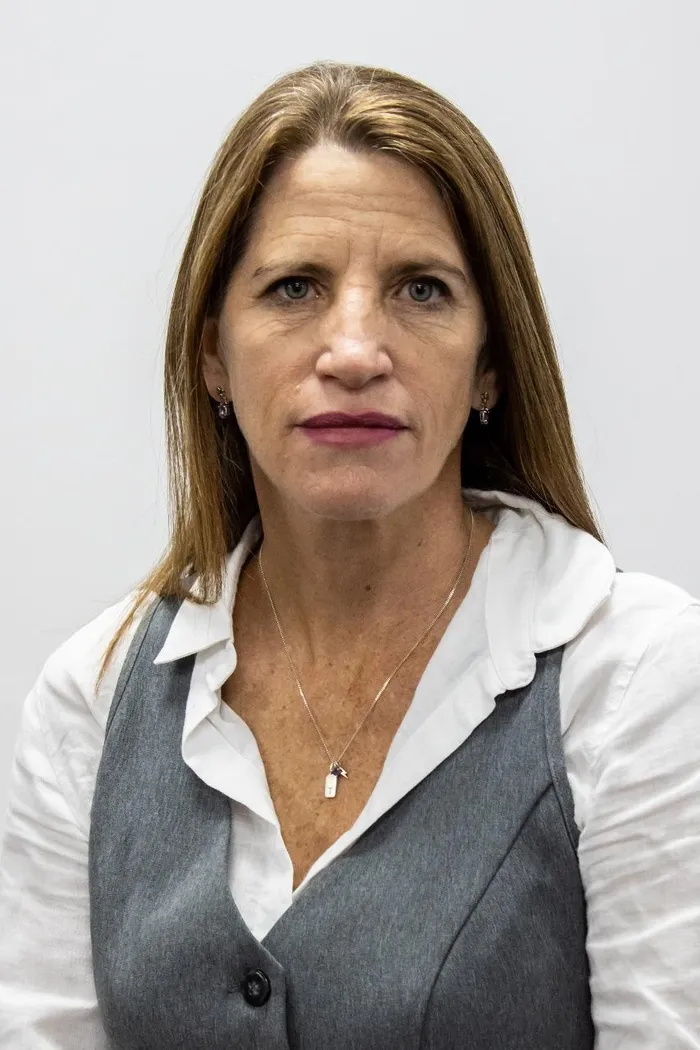
Tammy Colley is a DA member of provincial legislature and the party's spokesperson on Sports, Arts and Culture.
Image: File
KZN’s arts and culture sector requires greater attention as an economic driver. It contributes significantly to our GDP, but seems to be neglected. Artists, performers, crafters and cultural practitioners contribute to local economies, tourism and youth employment, but many continue to operate without sustainable support structures. The DA believes that KZN should explore the establishment of a Provincial Creative Industries Support Fund focused on emerging artists, township enterprises, digital content creators and cultural tourism initiatives. Partnerships with the private sector, municipalities and tourism bodies can help unlock new economic opportunities for young people.
Heritage, under Amafa, also has an important role to play and infrastructure must be maintained properly and marketed effectively to unlock tourism value for local communities. Sites such as eMakhosini, KwaCeza and many others hold enormous cultural and economic potential if integrated into broader tourism development strategies.
The DA, as a responsible partner within KZN’s Government of Provincial Unity, has proposed the following measures to turn DSAC around;
The importance of this sector cannot be over-emphasised, particularly at a time when, in South Africa and in our province, there those who seek to sow division across racial lines. With good governance and adequate support, sports, arts and culture have the potential to build a more inclusive, united and prosperous KZN.
Tammy Colley, MPL is a Member of the DA Caucus in the KZN Legislature and the DA KZN Spokesperson on Sports, Arts and Culture. The views expressed do not necessarily represent the Sunday Tribune or IOL.