

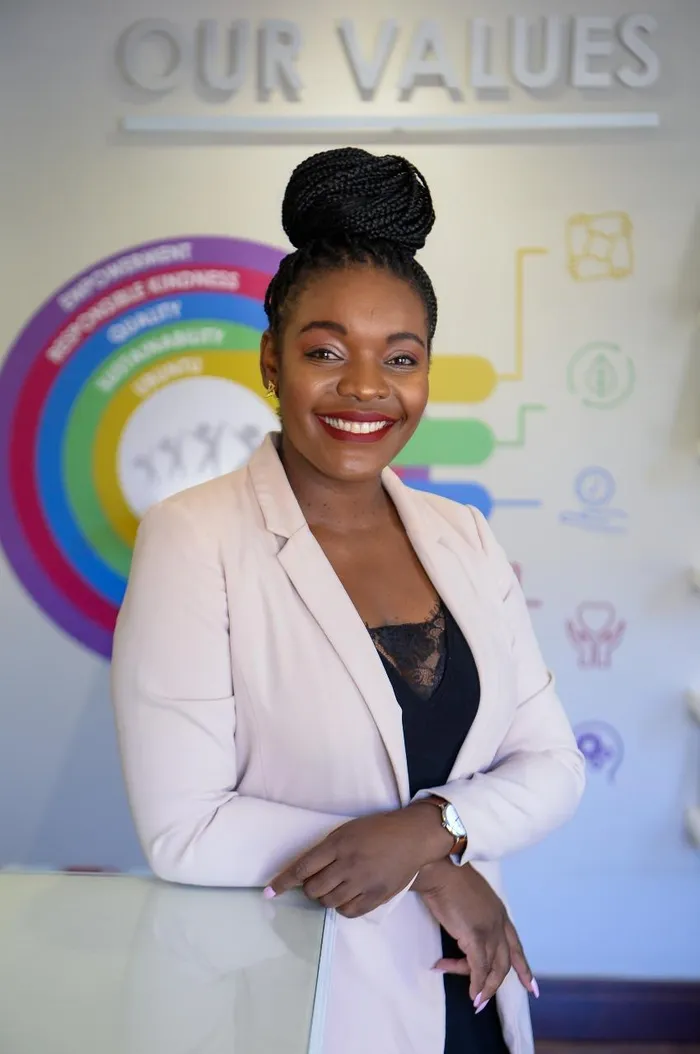
Dr Nellie Zembe, Head of Monitoring, Evaluation and Learning at Afrika Tikkun, says children who understand their rights are more confident, protected and resilient.
Image: Supplied
For millions of children across South Africa, human rights remain words on paper, never fully explained, understood or lived.
Children and youth are South Africa's largest demographic group, yet its most voiceless. They cannot vote, have no economic power and cannot advocate for themselves. Their exclusion is vast, and largely invisible.
More than 63% of children live in poverty. Millions face malnutrition, abuse and unsafe environments. Access to quality education remains deeply unequal. South Africa’s children are vulnerable and unprotected, and most of them don't even know they have rights.
As the country marks Human Rights Day on Saturday, a non-profit organisation dedicated to transforming the lives of children and youth in South Africa, Afrika Tikkun, warns that failing to teach children about their rights in practical, accessible ways is compounding an already deep crisis.
To address this gap, Afrika Tikkun teaches children about their rights from early childhood development through their school-going years, not as theory, but as something they can understand, relate to and exercise in their daily lives.
“Teaching children about their rights enables them with the tools to advocate for themselves. When a child knows their rights, everything changes. They understand they have the right to be safe, to be educated, to be heard and to determine their own future,” says Marc Lubner, Executive Chairperson and Group CEO at Afrika Tikkun.
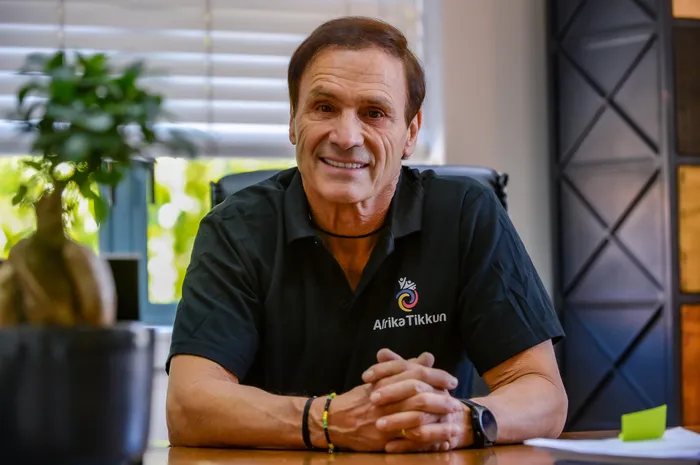
Marc Lubner, Executive Chairperson and Group CEO of Afrika Tikkun, says teaching children their rights equips them to advocate for their future.Marc Lubner, Executive Chairperson and Group CEO of Afrika Tikkun, says teaching children their rights equips them to advocate for their future.
Image: Supplied
Afrika Tikkun reaches more than 40,000 children daily through its five centres across the country. Its holistic model follows a “cradle-to-career” approach, supporting children from early childhood development through to education, skills development and employment pathways.
On the ground, the organisation sees firsthand how limited awareness, combined with systemic gaps, is shaping a generation at risk.
The tragedy is twofold. Younger children aren't being taught their rights in practical ways and older youth are losing faith in a system that hasn't delivered on its promises. There are not enough incentives that show that hard work at school ultimately leads to jobs, explained Lubner.
“One of the most fundamental principles in any country for young people is that if they put in the time and effort into their education, that society will reward them with something as simple as a job. With huge unemployment levels and gaps in the education system, young people are unprepared for economic participation,” adds Lubner.
“The country desperately needs to revisit whether the education system is helping young people to transition into income-generating opportunities. There needs to be many more trade-related schools and more pathways into the digital economy. Too many young people are being educated into a dead end.”
Afrika Tikkun says the issue is not only about access to services, but about how children experience their rights in real life.
“We believe that what Afrika Tikkun does is offer role models. It’s not about what we say, but what we do. In all our centres, staff live the values, showing hard work, diligence and sensitivity towards environmental and human rights issues. We practice the principles of human rights, so children experience what those rights mean in real terms, not just what is written on paper,” said Dr Nellie Zembe, Head of Monitoring, Evaluation and Learning. She believes the organisation’s strength lies in addressing the whole child.
“We don't just focus on one area, our holistic model supports the whole child, and our data shows this approach works. Children in our programmes have strong attendance records, which tell us something important: when children feel genuinely cared for, they show up."
She adds that awareness and protection are built into every level of intervention.
"Every child who comes through our doors is taught that they have rights. Children who understand their rights are more confident, more protected and more resilient. Our programmes include structured life skills, child protection education and psychosocial support interventions. We are intentional about this, with a clear child protection policy that applies to everyone, staff and beneficiaries alike.”
While constraints remain and demand is growing daily, Lubner says this is not a reason for despair. "Afrika Tikkun is calling on partners across government, business and civil society to invest in the next generation because before another generation grows up not knowing they had rights worth fighting for, South Africa needs to decide whose responsibility those children are," concludes Lubner.