

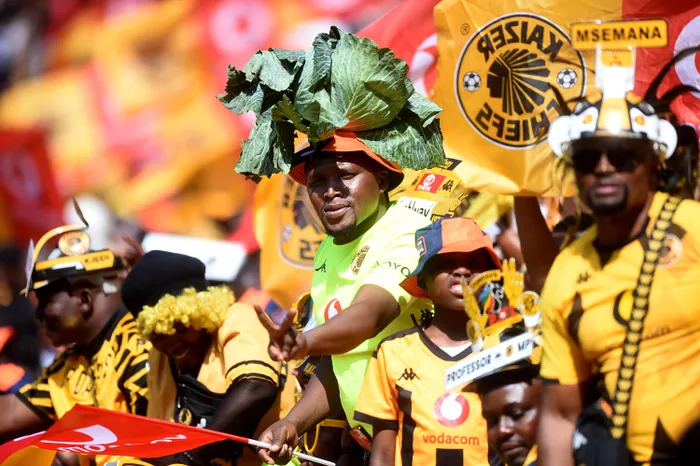
As Kaizer Chiefs fans call for urgent reform, the spotlight shifts from the dugout to the boardroom. Photo: Backpagepix
Image: Backpagepix
As Kaizer Chiefs supporters face a sobering reality about their club’s leadership, they must ask themselves: can true change emerge from within, or is it time to look beyond the familiar faces of the Motaung family dynasty?
Over the weekend, Chiefs’ fans rallied for reform within the club, but they should first reflect on the leadership, rather than the coaching staff, that they now hope will initiate this change.
The current architects of the Chiefs’ situation are none other than the club’s own hierarchy — specifically, chairman Kaizer Motaung and his sons, Bobby and Kaizer Motaung Jr. Together, they form the club’s internal decision-making trio that many supporters believe is directly responsible for maintaining a status quo that has left the team in disarray.
Kaizer Motaung, a revered figure in South African football, holds ultimate authority as the club owner. Yet, his decision to appoint his sons to critical administrative positions — Bobby as football manager and Kaizer Jr as sporting director — has raised eyebrows as the club endures a trophy drought of one piece of silverware in a decade.
In football, the roles of a manager and a sporting director are distinct yet highly specialised, demanding a wealth of expertise and strategic acumen. However, at Chiefs, the appointment of the founder’s sons to these roles appears to compromise accountability and potentially stifle innovation.
Bobby Motaung and his brother, Kaizer Jr, are deeply involved in the club’s administration and hold positions that require visionary leadership. Yet, their proximity to the franchise’s founder has raised concerns about their ability to effectively challenge the culture that has hindered the club’s performance over recent years.
A stark illustration of this dynamic came during the tenure of head coach Gavin Hunt, a renowned success in South Africa’s top flight, who expressed dissatisfaction with operational oversight. Hunt’s brief time at Chiefs culminated in an appearance in the CAF Champions League final in the 2020-21 season, despite being constrained by a Fifa transfer ban.
Frustration began to surface, especially when Hunt was asked about a player in his squad. His candid remark, “I have no idea why he is here,” highlighted a significant disconnect between the club’s administration and the coaching staff.
This situation indicates a leadership structure that struggles to collaborate effectively.
In the cutthroat world of competitive sports, accountability is the cornerstone of success. Yet, within Chiefs, the intertwined leadership of the Motaung family and the coaching staff raises concerns on this front.
As fans grow increasingly frustrated, the question arises: is it reasonable to expect transformative change from leaders who have shaped the current circumstances?
Or are they merely clutching at straws in a long-standing cycle of hope?
True revitalisation for Kaizer Chiefs may lie in urging internal reflection among the administrators.
Fans demonstrated at the club’s headquarters, but they should direct their calls for reform to the very architect of the club’s current setup, Kaizer Motaung. Only through collective introspection can they hope to see a club reborn amid the challenges that lie ahead.