

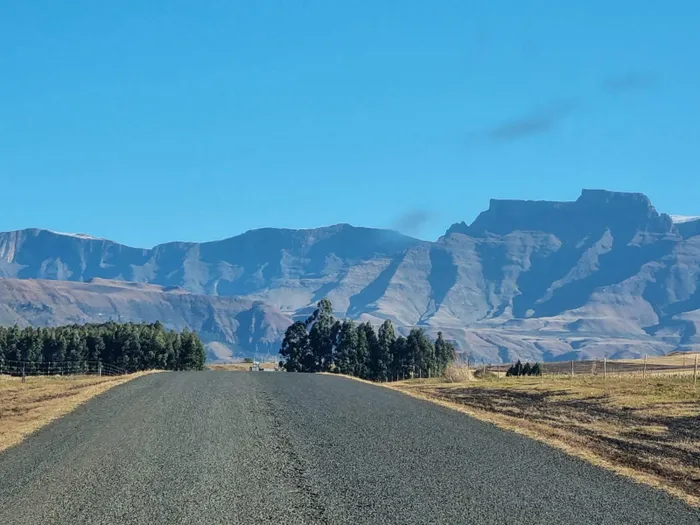
The majestic Drakensberg mountains.
Image: Annie Dorasamy
As the cold winter air settled in and the school holidays began, my family got the opportunity to escape the daily grind. We packed our suitcases, stuffed the boot with snacks (half of which would mysteriously vanish by Estcourt), and hit the road to Champagne Sports Resort in the Cathkin region of the majestic Drakensberg.
We were trading city chaos for mountain serenity, and my nine-year-old daughter—armed with her sketchbook, headphones, and an alarming supply of bubble gum—was ready to take the resort by storm.
But first, the roads.
I’ll say it plainly: the Champagne Valley may be one of South Africa’s most beautiful destinations, but getting there reminded me of that old saying, “The journey is half the battle.” While the mountain scenery was breathtaking, so was the sudden swerve required to avoid a puncture from the potholes. If ever there was a case for serious road infrastructure upgrades, this is it. Tourism in the Drakensberg is booming, but the roads are doing their best to scare people back to the couch.
That said, once we reached the resort, as guests of KwaZulu-Natal Tourism and Film Authority, the discomfort of the drive melted away like frost in the morning sun. It was clear this was no ordinary winter getaway. The Drakensberg mountains, dusted with snow, loomed majestically in the background, their icy peaks contrasting sharply against the vibrant green grass below.
Framed by the towering Cathkin Peak, and located at the foot of the Champagne Castle there were stunning views at every turn, making it easy to forget the hustle and bustle of daily life.
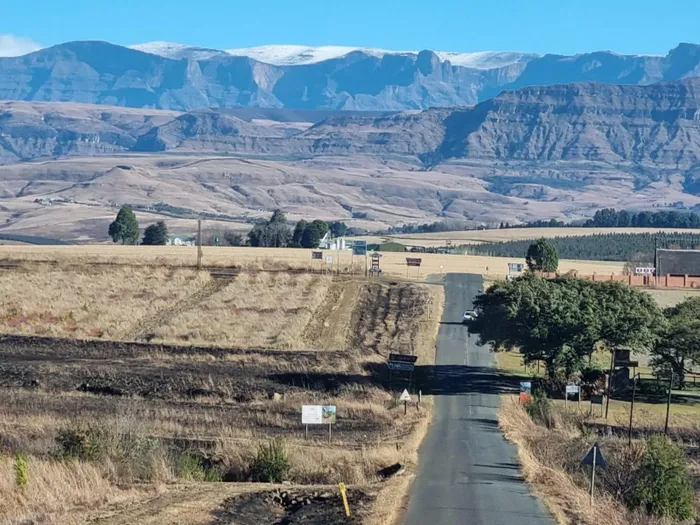
Snow dusted Drakensberg mountains.
Image: Annie Dorasamy
The resort was a gem, it was what we had hoped for and more. With its cozy lodges, comfortable facilities, and family-friendly atmosphere, we immediately felt at home. It offered everything from a heated pool to golf, tennis courts, hiking, and arguably the world’s most enthusiastic breakfast and dinner buffet, which could easily feed a rugby team. My daughter’s eyes widened as she surveyed the kids' food station like a general assessing a battlefield.

Thisha Ntshalintshali, one of the chef's at the resort.
Image: Annie Dorasamy
The resort had planned an array of activities specifically tailored for children during the winter holidays. The activity centre was stocked with arts and crafts supplies and my daughter was thrilled to participate in the organized winter games.
We took advantage of the resort’s spa, indulging in a relaxing massage. There are a range of treatments designed to rejuvenate tired bodies after a day spent exploring the rugged mountains through numerous hiking trails that lead to magnificent views of the Drakensberg range.
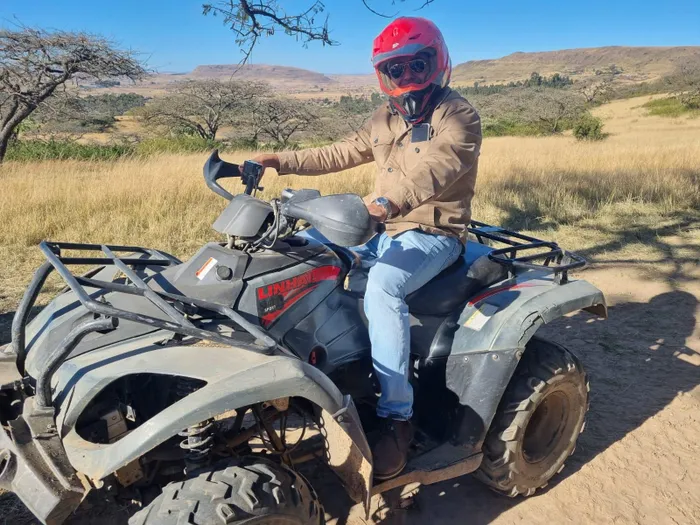
Quad biking through bushes and open plains in one of the many activities available in the Drakensberg.
Image: Annie Dorasamy
The Cathkin area is full of hidden gems—quiet forest paths, crystal-clear streams, and jaw-dropping vistas that feel like they’ve been waiting centuries just for you to find them. There are also plenty of adrenalin pumping activities to enjoy in the region too.
We zoomed through the wild terrain on a quad bike and enjoyed the twists and turns through the bushes and open plains and then tackled the zip line platform, soaring through the air, a perfect blend of sky and earth thrills.
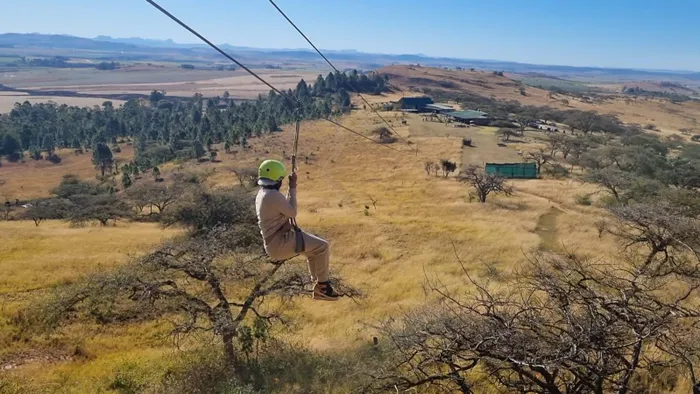
Adrenalin pumping activities like zip lining is quite popular in the Drakensberg.
Image: Annie Dorasamy
For those who prefer a slower pace, the area offers a range of quaint cafes and local craft shops, perfect for picking up a souvenir or two.
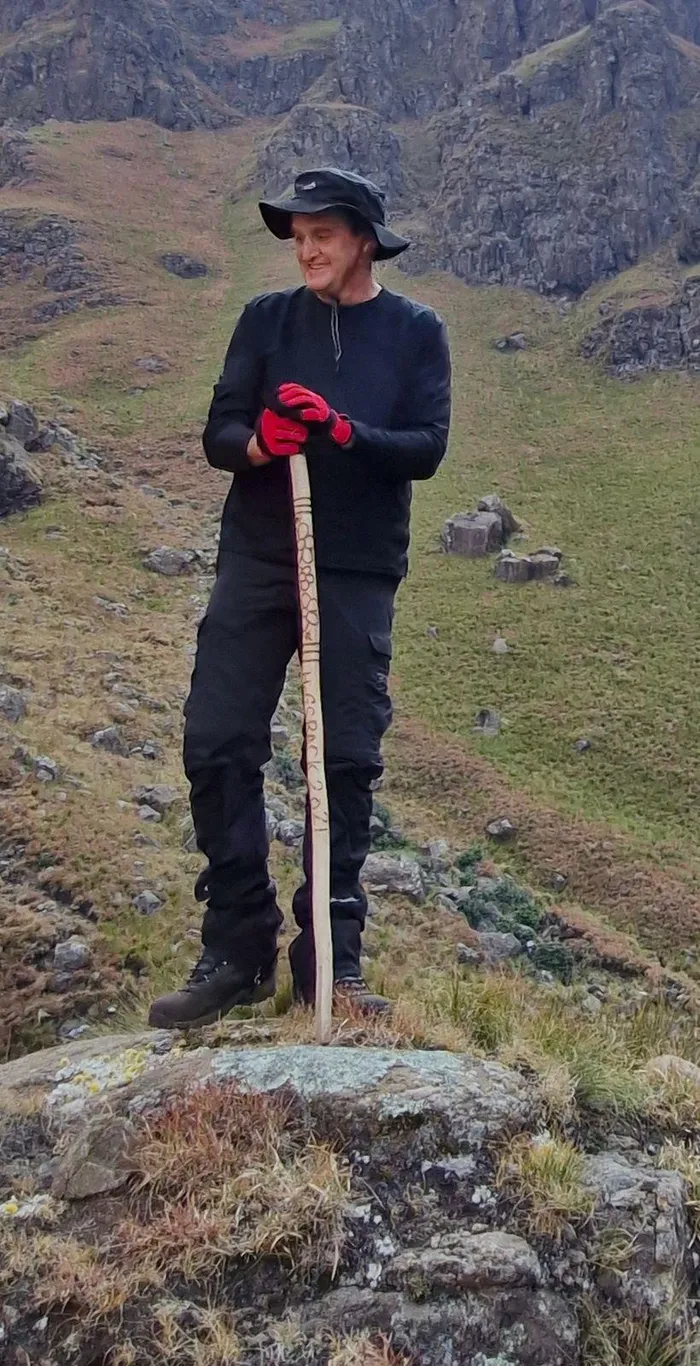
James Seymour, anthropologist, tourism management specialist, qualified adventure (mountain), culture and nature guide, and rock art monitor
Image: Supplied
I had the opportunity to meet James Seymour — an anthropologist, tourism management specialist, qualified adventure (mountain), culture and nature guide, and rock art monitor — who is deeply passionate about the Drakensberg.
“Winter in the Berg is particularly special,” says Seymour, “because of the weather, it's cold at night but sunny and warm during the day. It's not often that South Africans can get away outside of Easter and Christmas, so the July holidays give them a chance to do just that. Whenever there's even a hint of snowfall on the peaks, we tend to see a surge in tourist numbers.”
According to Seymour, autumn and winter are the best times to visit. “It’s the ideal season for hiking and adventure pursuits like mountain climbing and trail running. This time of year, several mountain-related events thrive thanks to the stable weather. Toward the end of winter, you have the Mont-Aux-Sources Challenge, one of the most significant ultra-trail running events in South Africa, where participants climb the iconic chain ladder and run to the Mont-Aux-Sources plateau. There are also mountain biking events like Berg & Bush, and the season is perfect for activities such as hot air ballooning — we recently had two highly successful ballooning events back to back in June.
The Central and Northern Drakensberg have really become hubs for adventure tourism. From zip-lining and abseiling to via ferrata, you can enjoy the thrill of rock climbing without needing to be an expert. These months are also ideal for hosting outdoor sporting events.
However, despite the wide range of outdoor and adventure activities available, tourism numbers in the region have yet to return to pre-COVID-19 levels.
“The South African economy is still under strain, and like much of the country outside of the Western Cape, international tourism hasn’t fully bounced back from the pandemic. Just before COVID hit, tourism in the Drakensberg was booming — both domestically and internationally. The region was gaining a strong reputation. Then the pandemic struck, and its impact was devastating, especially in areas like Champagne Valley, where as many as half the local residents lost their jobs.
“The Drakensberg had been a tourism success story, and things were flourishing. Unfortunately, we’re still struggling to return to those heights, and one of the main reasons is infrastructure — particularly the condition of roads. There’s an urgent need for investment in critical infrastructure across the World Heritage Site. Sadly, many of the facilities have deteriorated, largely due to severe budget cuts to organizations like KZN Wildlife. They are in desperate need of more resources and perhaps a shift toward greater commercialisation. These are two of the key challenges,” says Seymour.
Despite these obstacles, he points out that privately-run tourism activities in the region have continued to thrive.
“The private sector has shown that tourism can flourish even in remote areas like the Champagne Valley,” he says. “It’s a great example of what’s possible when there’s passion, innovation, and resilience.”
As our time in the Drakensberg came to an end, I felt a deep sense of gratitude. The mountains had offered us more than just an adventure; they had given us a glimpse into a world that has remained largely untouched by time.
It's a place where the earth speaks in whispers, the land tells stories of ancient civilizations, and nature’s raw power is on full display. It’s a place that stays with you, long after you’ve left.