


Affordable healthcare meets global travel: discover why more South Africans are heading abroad for specialised surgery and wellness in 2026.
Image: Pexels.
Medical tourism is no longer just about finding the lowest price; it’s about finding a better way to recover.
For many South Africans, the high cost of private care and long waiting lists mean that looking abroad is the most practical path to health.
Whether you're looking for a "Türkiye smile" or a tropical recovery in Mauritius, here is where South African medical wellness travellers are heading for their medical needs.
Türkiye’s aesthetics industry has moved beyond just simple surgeries; it now operates as a high-end, all-inclusive hospitality machine.
Their key offerings include hair transplants, dental veneers and cosmetic surgeries like liposuction and BBLs.
Because South African medical aids rarely cover cosmetic or elective procedures, the country's model is designed to be a one-stop shop that is often cheaper than local private surgeons.
Even when including flights, costs are often 50% to 70% lower than South African private sector prices.
The biggest draw is that you don't have to plan anything once you land. Most reputable clinics in Istanbul or Antalya provide VIP transport when you land and bookings at a recovery-friendly luxury hotel for 5 to 10 days, depending on the surgery.
Many clinics now specifically employ English-speaking patient coordinators to assist with everything from medical jargon to ordering food.
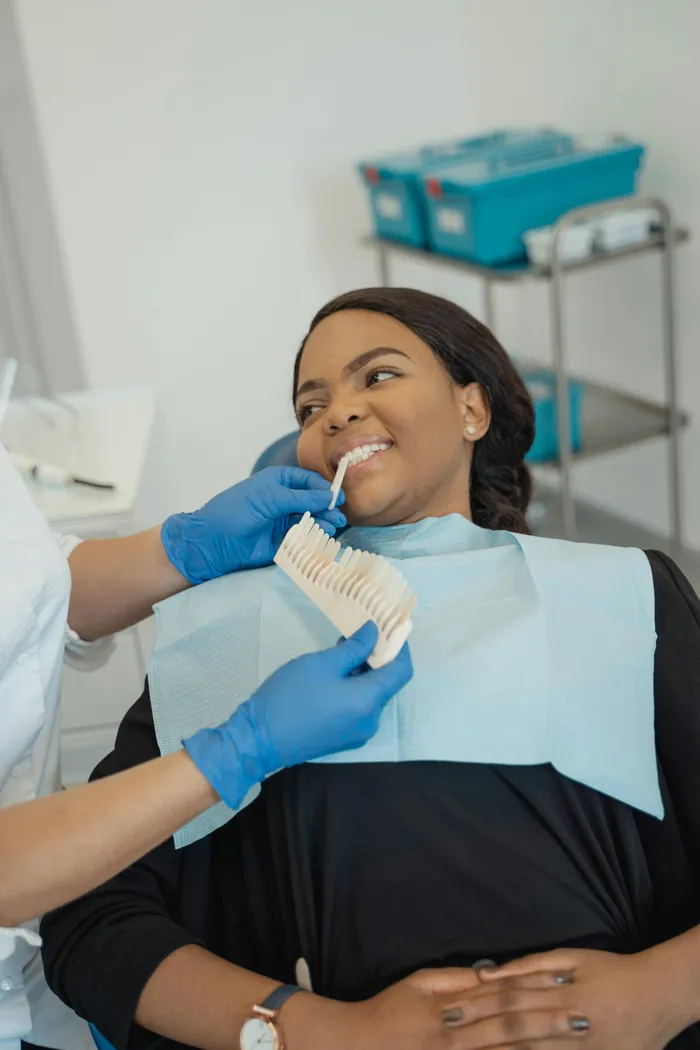
Türkiye has become the go-to destination for South Africans, primarily due to its aggressive medical tourism infrastructure and competitive pricing.
Image: Pexels.
For more serious or life-saving procedures, India remains a primary choice.
The country has moved beyond being just a budget option to becoming a global centre for specialised medical intervention.
For South Africans, the appeal lies in the combination of western-trained surgeons, ultra-modern technology and immediate availability.
India offers world-class technology in JCI-accredited hospitals like Apollo and Fortis. For complex surgeries, the waiting times in South African public hospitals or the out-of-pocket expenses in private ones make India a logical financial alternative.
While India covers all medical fields, South Africans primarily travel there for three main reasons:
The care isn't provided in small clinics but in massive, city-like medical campuses that are JCI-accredited.
Hospitals like Apollo, Fortis, Max Healthcare and Aster DM are frequently used by South Africans and often feature dedicated International Patient Wings with English-speaking staff, 24/7 concierge services, and on-site accommodation for family members.
The Indian government has also streamlined the process specifically for medical tourists.
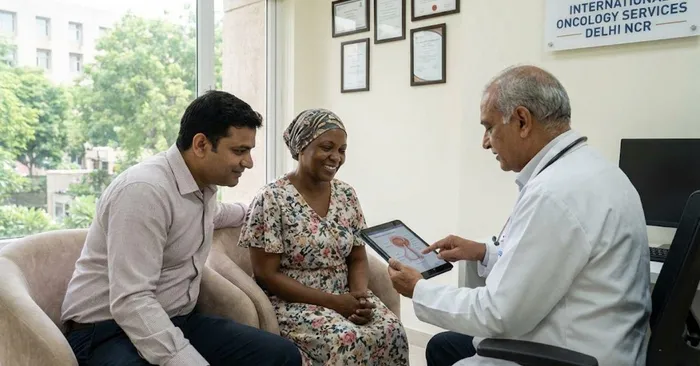
For more serious or life-saving procedures, India remains a primary choice.
Image: Instagram.
Thailand’s medical appeal has evolved from being just a cheap surgery destination to a world leader in integrated medical wellness.
For South Africans, it offers a level of high-tech care and recovery luxury that is difficult to find locally at the same price point.
Recent statistics put the number of medical tourists in Thailand at more than 2.5 million every year.
Their key procedures include high-end dental work (implants and full restorations), gender-affirming surgeries, and elective wellness treatments.
Thailand has also become a regional hub for IVF due to advanced genetic screening technologies that are often more accessible and affordable than in South Africa.
Many hospitals partner with luxury resorts in Phuket or Koh Samui. Instead of recovering in a sterile room, patients move to recovery villas with on-site nurses, physiotherapists and custom nutrition plans.
The Thai government offers a 90-day medical visa that can be extended for long-term treatments, making it easy for South Africans to stay for the full duration of a complex recovery.
Ahman Mad-Adam, director of the Tourism Authority of Thailand Dubai Office, says that medical wellness travellers choose Thailand not only for the treatments they need but for post-treatment recovery experiences.
“Returning to the pace of everyday living after undergoing any kind of treatment can be quite a shock to the system. But spending recovery time in a traditional healthcare facility isn’t always what travellers envision as being the most therapeutic option.
"What most travellers are after is something in between world-class medical treatment followed by a tailored recovery programme that allows the body and mind to rejuvenate at their own pace, facilitated by a trusted team of wellness practitioners."
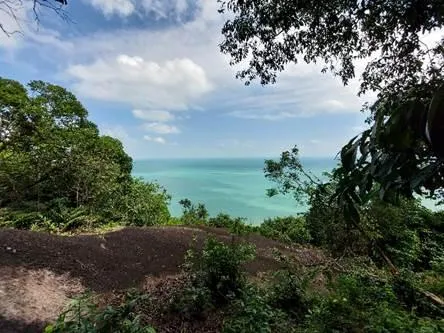
Thailand has long been a favourite, but in recent years, it is specifically popular for its holiday-recovery models.
Image: Supplied.
The Czech Republic and Hungary have carved out a specific niche for South Africans who want Western European medical standards but at Eastern European prices.
While Thailand and Türkiye focus on the all-inclusive resort experience, these two countries are chosen for their clinical precision and long-standing academic reputations in specific fields.
Hungary is arguably the world leader in dental tourism. For South Africans facing massive quotes for dental implants or reconstructive work, Budapest offers a solution that balances high technology with significant savings.
Their key procedures include full-mouth rehabilitations, dental implants and porcelain veneers.
The Czech Republic is increasingly favoured for procedures that require intense physical rehabilitation. It is particularly known for IVF treatments, hip and knee replacements, spinal disc surgeries and sports-related arthroscopy.

The Czech Republic is increasingly favoured for procedures that require intense physical rehabilitation. It is particularly known for orthopedic excellence and assisted reproduction (IVF).
Image: Pexels.
For South Africans, Mauritius is the convenient choice. It doesn’t offer the low prices of India or the massive scale of Türkiye, but it fills a vital gap for those who want high-end, private care without the long-haul flights or significant cultural adjustment.
The island has rebranded itself as a Medical Hub of the Indian Ocean and has moved away from general healthcare toward specialised, high-tech private clinics offering cardiology, orthopaedics, oncology services, IVF, hair transplants and cosmetic surgery.
The island is also positioning itself for retirement medical tourism, offering high-end assisted living and long-term care for those who want a better quality of life in their later years.