

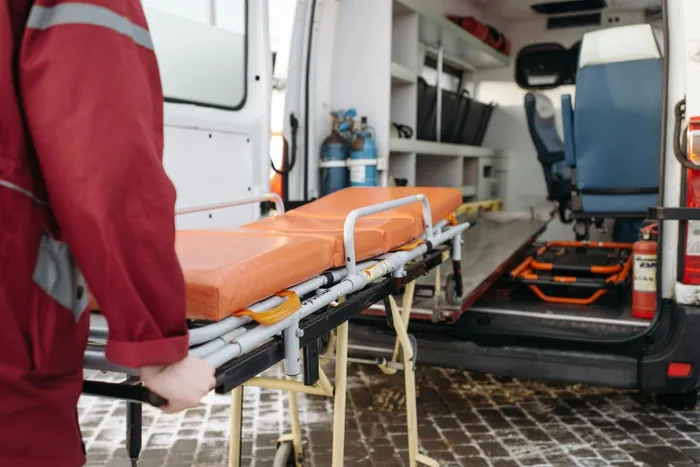
New research says psychological distress among police officers and paramedics is linked to harmful drinking.
Image: Pavel Danilyuk/Pexels
In a sobering revelation, new research from the University of the Western Cape (UWC) indicates that police officers and paramedics in South Africa may be resorting to alcohol as a means of coping with the psychological distress linked to the traumatic incidents they witness daily. This study shines a light on the concerning issue of harmful drinking patterns among these vital frontline workers, highlighting an urgent need for targeted mental health interventions.
The research, published in the Turkish Journal on Addictions and titled “Alcohol Use in First Responders in South Africa: Psychological Distress Factors Related to Harmful Drinking and Alcohol Dependence,” surveyed over 400 experienced police officers and paramedics in the Western Cape, consisting of 309 police officers and 120 paramedics.
Conducted by psychologists Prof Anita Padmanabhanunni and Prof Tyrone Pretorius, the study found that instead of post-traumatic stress disorder (PTSD) emerging as a significant factor, psychological distress factors such as anxiety, depersonalisation, fatigue, and insomnia were strong predictors of increased alcohol consumption. This finding is particularly striking as well-established links between PTSD and harmful drinking among the police have been previously noted in other research.
The authors of the study emphasise that this is the first known exploration of the correlation between harmful alcohol use and psychological distress specifically in the context of South African first responders. Participants identified as at risk for harmful drinking consistently reported higher levels of psychological distress across various assessments, establishing a clear connection between their mental health challenges and alcohol use.
“While alcohol might provide fleeting relief from emotional distress—such as sadness or anxiety—it can lead to dependency and withdrawal symptoms, trapping individuals in a cycle of discomfort and excessive drinking,” Prof Padmanabhanunni explains.

Prof Anita Padmanabhanunni says a culture of ‘bravado’ may be the reason why first responders are reluctant to seek help.
Image: Ruvan Boshoff/UWC
The need for improved mental health support for first responders is immediate. Although some forms of assistance exist within South African settings, access remains a critical barrier. Many first responders express concerns over confidentiality and fear of judgement, deterring them from seeking the help they so desperately need. This lack of accessible and trusted mental health services only exacerbates their conditions, pushing them towards harmful coping mechanisms, including increased alcohol consumption.
Prof Padmanabhanunni reiterates the importance of addressing the mental health of these workers who bear the burdens of trauma silently: “Protecting their mental health is crucial not only for the sustainability of emergency services but also for the quality of care provided to the communities they serve.”
A culture of toughness within the first responder community can further complicate the situation. Perceptions that emotional control and self-reliance equate to professionalism often inhibit help-seeking behaviours. “Reactions to emotional distress as ‘weakness’ can deter many from pursuing necessary support,” stresses Prof Padmanabhanunni. These societal constructs of masculinity serve as barriers, making it essential for organisations to create environments that encourage seeking help as a strength instead of a vulnerability.
As frontline workers continue to face the escalating psychological toll of their duties, the message is clear: it is time to address these issues head-on, dismantle the stigma around mental health, and ensure that effective support systems are not just available but actively encouraged. The wellbeing of both first responders and the communities they protect depend on it.