

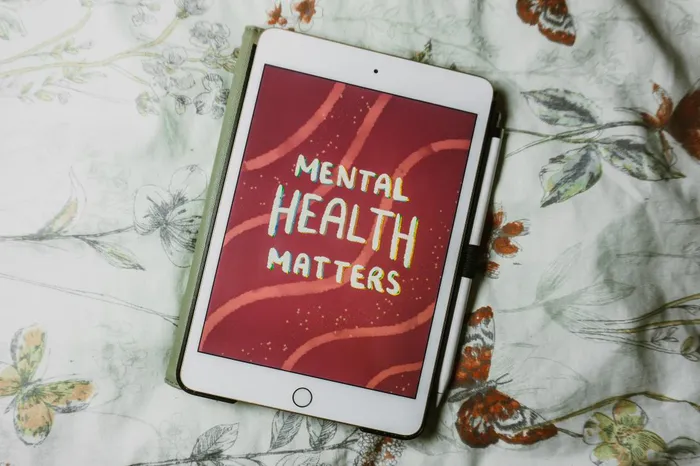
Mental health matters.
Image: Supplied.
The chronic under-funding and neglect of mental healthcare for South African children has been branded a human rights crisis by the South African Society of Psychiatrists (SASOP). The organisation warns that a failure to protect the mental well-being of the nation's youth is a violation of their Constitutional rights.
The severity of the crisis is highlighted by stark statistics: one in five South African children and teenagers suffers from a mental health condition, yet only 10% of them can access the necessary care. Given that 50% of lifetime mental health disorders begin by the age of 14 globally, the lack of intervention has a profound and lifelong impact.
As South Africa prepares to commemorate Human Rights Day on 21 March, SASOP member and psychiatrist Professor Renata Schoeman stressed the urgency of the matter. "The rights of children and adolescents to safety, education, dignity, equality, and protection from maltreatment, neglect and abuse cannot be realised while their right of access to appropriate, quality healthcare, including mental healthcare, continues to be neglected," Schoeman said. She added that physical health continues to be prioritised over mental health despite the devastating long-term social and economic costs.
"Children's lack of access to mental healthcare represents a gross violation of their human rights, robbing them of their quality of life now and into adulthood and increasing the risk of tragic loss of lives."Advocating for a Rights-Based ApproachSASOP is advocating for the state to adopt a rights-based approach to mental health to meet its Constitutional and international obligations. This approach requires a significant shift away from the current system.
"This would entail shifting from a medicalised approach and psychiatric institutions as the main delivery mode of mental healthcare for children and adolescents, to the primary healthcare level," Schoeman said. She suggested that this new model should be integrated with social services and leverage schools as a primary setting for screening and early intervention, alongside action to address social determinants of mental health such as poverty and violence. Critical Resource ShortagesA significant barrier to care is the severe shortage of specialist professionals and facilities.
Schoeman highlighted the country has "fewer than 40 registered specialist child and adolescent psychiatrists" across both the public and private sectors. These specialists are heavily concentrated in Gauteng and the Western Cape, leaving some provinces with none.Furthermore, facilities are extremely limited, with very few beds allocated to psychiatric care for adolescents and "close to zero for under-13s" in the public sector. The situation is exacerbated by severe under-funding, with a finding by the SA Human Rights Commission that only 1% of the mental health budget is directed specifically to children and adolescents. The consequence is that children are accommodated in adult wards or juvenile detention centres, where they are exposed to further risks.
Schoeman emphasised the importance of a preventative approach. "Securing the mental health of children and adolescents, with a proactive, preventative approach, is vital to addressing South Africa’s overall mental health crisis. It is an investment in inter-generational health that will contribute to breaking the cycle of violence, poverty, food insecurity, social exclusion and discrimination which are all contributing socio-economic determinants of mental health," she stated. SASOP is calling for urgent and cooperative implementation of the National Mental Health Policy Framework and Strategic Plan 2023–2030 across the departments of Health, Education, and Social Development.