

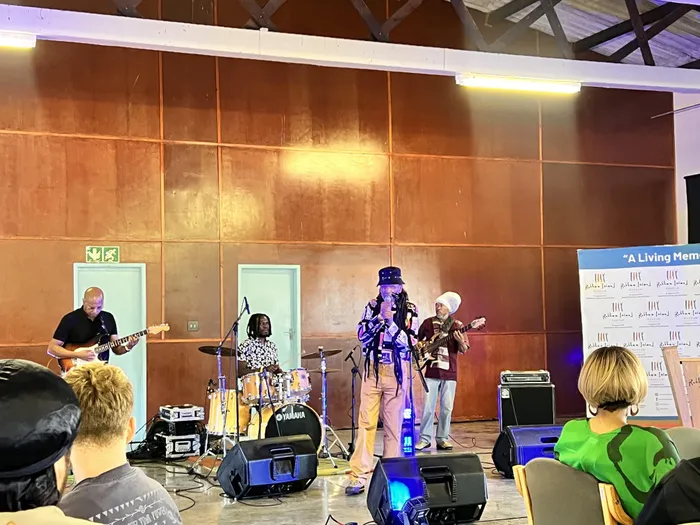
Experience the harmony of history and music as the Cape Town International Jazz Festival kicks off with powerful performances from local legends
Image: Vuyile Madwantsi
Before the electrifying stages of the Cape Town International Convention Centre (CTICC) come alive this weekend, the 23rd Cape Town International Jazz Festival (CTIJF) found its soul on a windswept ferry ride to Robben Island.
Today, history and music collided as international dignitaries, local artists and festival icons gathered on one of South Africa’s most hallowed grounds, a monument to the country’s painful past and its enduring hope.
Robben Island never fails to stir the soul. Its sunlit vistas are haunted by the memories of limestone quarries and the cramped prison cells that once held freedom fighters, such as Nelson Mandela.
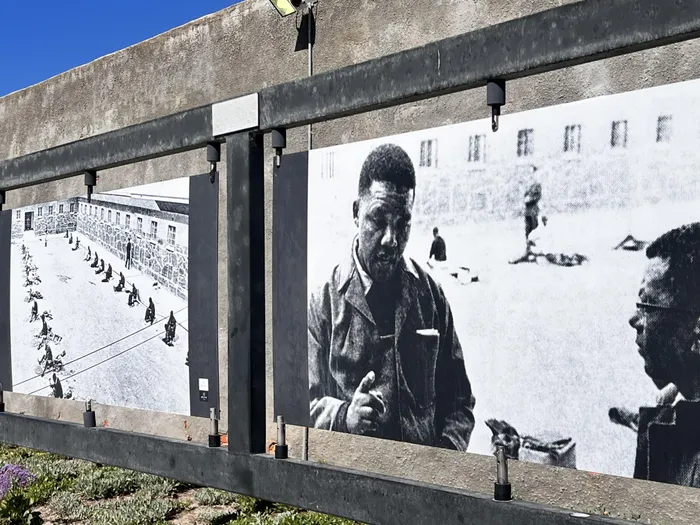
The 23rd Cape Town International Jazz Festival (CTIJF) found its soul on a windswept ferry ride to Robben Island
Image: Vuyile Madwantsi
Yet, today, the space reflected what legendary musician Hugh Masekela often called jazz, a genre born of struggle and defined by hope. Against this backdrop, a select group of musicians gave us a glimpse of what this weekend’s festival line-up promises: harmony that defies hardship.
For anyone who visits, Robben Island is a place that leaves the heart both heavy and unburdened. No matter how many times you’ve walked its echoing halls, the experience tugs at your humanity, a stark confrontation with the extremes of human cruelty and resilience. Today, this visceral connection was stitched together by music.
Performances by luminaries like James Mange and rising stars such as Babalwa Meintjies transformed the weight of the island's history into a shared catharsis, carving out a space for both mourning and joyful defiance.
James Mange, a former political prisoner who spent two decades on the island, stepped onto its soil again, this time returning with music, not shackles. Mange, who turned his imprisonment into an opportunity to teach fellow inmates to read, write and play instruments, brought his full-circle story to life by performing his iconic anti-apartheid anthem, "Robben Island."
Surrounded by collaborators Wakile Xalisa, Raymond Bushala, Austin Chulu and Clinton Gamanie, his music echoed through the same walls that once confined him. The performance shed light on the enduring power of resilience and expression.
“I never thought I’d have the chance to turn this once-painful place into a symbol of triumph,” Mange shared.
“Jazz taught us to dream, even when the world around us gave us no reason to.”
Rising stars and struggle notes
Among those leaving a powerful mark today was Meintjies. She is South Africa’s rising jazz vocalist from Khayelitsha. Performing the Xhosa lullaby Ntyilontyilo, her soulful delivery floated through the island like a hymn for remembrance.
Babalwa captured what would become the theme for this year’s festival: the ability of jazz to convey pain, hope and joy in ways words sometimes cannot.
“This is more than a performance for me,” said Babalwa in an interview with Independent Media Lifestyle. “To be part of this festival is a dream come true. It feels like I’m carrying my community’s voice onto a global stage, and it makes me want to sing even louder.”
Babalwa’s career is just beginning, but her performance on the historic Moses Molelekwa Stage later this weekend promises to cement her place as part of the next generation of South African jazz greats.
The magnetic Yussef Dayes
Also previewing his set on Robben Island was internationally acclaimed drummer Dayes. Known for his genre-defying sound and spellbinding energy, the London-born artist transformed the island’s sombre atmosphere into an electrifying sanctuary.
His drumbeat carried attendees to an ethereal musical dimension and highlighted the global nature of jazz, a language of improvisation that unites musicians across borders, experiences, and time.
Dayes, who will perform on the iconic Kippies Stage, described jazz as “a human bridge.”
“What I love about this festival,” he said, “is how deeply South Africa’s jazz tradition speaks to the world. It’s raw; it’s unfiltered. It reminds you that humanity is messy, but also beautifully resilient.”
The day opened with poignant words from Dr Iqbal Survé, the chairman of the Sekunjalo Group and a key patron of the festival. Speaking to the assembled artists and dignitaries from countries as diverse as India, Morocco, Portugal and Haiti, Dr Survé highlighted music as a tool for empathy.
“Through music, we understand each other,” Survé reflected. “Even if we can’t speak the same language. Close your eyes this weekend and truly listen. What you hear will tell you more about life, history and humanity than words ever could.”
This evening, when the bright lights of the CTICC shine, Robben Island’s sorrow and resilience will follow us. The festival’s stages will come alive with everything jazz represents: loss, beauty and above all, defiance. As we celebrate, let’s carry this weekend’s running theme not just in our ears, but in our hearts.