

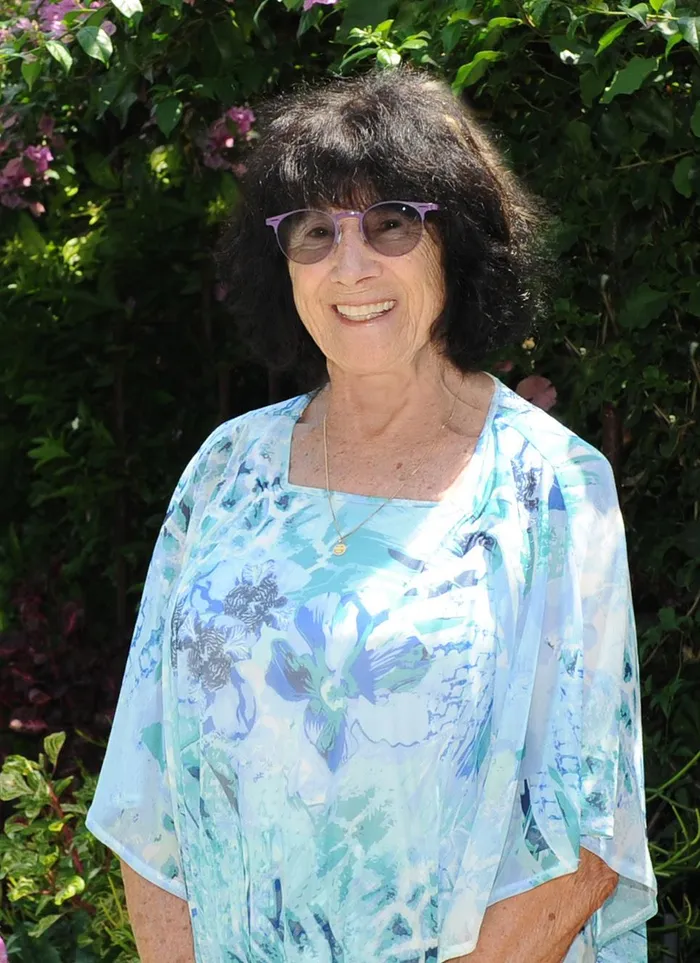
In '18 Years an Addict', Anne Lapedus Brest doesn’t just tell a story; she opens a window into a kind of grief many parents live with.
Image: Supplied
The hardest part about addiction isn’t always the chaos. Sometimes, it’s the waiting.
Waiting for a phone call. Waiting for change. Waiting for a version of your child you recognise to come back home.
In "18 Years an Addict", Anne Lapedus Brest doesn’t just tell a story; she opens a window into a kind of grief many parents live with quietly: loving a child who is still alive but slowly disappearing.
In a recent conversation with "Independent Media Lifestyle", she stripped away the clichés around addiction and replaced them with something far more real: fear, endurance, and a fragile but persistent hope.
“I felt so helpless and hopeless,” she said. “After eighteen years of the same behaviour… it was getting harder and harder to be positive.”
And that’s where this story begins, not at rock bottom, but in the long, drawn-out middle. The part we don’t talk about enough.
Addiction, while often seen as an individual's struggle, is actually experienced by entire families. Studies have found that those caring for someone with addiction face a complex set of challenges, physical, emotional, and financial.
The effects touch everyone, which is why addiction is frequently thought of as a "family disease".
Brest knows this firsthand. For almost twenty years, her son Greg went back and forth between recovery and relapse, honesty and hiding. The distance between South Africa and the United States didn’t make it easier; it only made it last longer.
“Being away from the problem… was protection,” she reflects. “But when I realised how bad it was, it made it worse. I was helpless because I was here and he was there.”
Here’s the thing about how addiction hits a family today: it never just stays put. It’s constantly moving, hiding, and changing shape.
It forces parents into this permanent state of "high alert", where you’re always scanning for signs and bracing yourself for the next blow before it even happens. “I didn’t relax in those 18 years,” she shared. “I was always waiting.”
Mothers are often more likely than fathers to internalise a child's addiction as a reflection of their own failure.
Many experience a quiet shame, feeling they did not "teach the right values". This ongoing stress can show up as real health problems: insomnia, high blood pressure, early menopause, or neurological issues.
“I would go into a function and smile… but inside I felt like death warmed up,” she revealed. “You have to separate. You can’t fall apart.”
This duality is something many parents, especially mothers, will recognise. The expectation to hold everything together, even when nothing feels stable.
And then there’s the guilt.
“We think there’s something wrong with us,” she shared. “Parents are completely at sea… they don’t understand.”
Addiction doesn’t come with a manual. It dismantles certainty. It blurs the line between responsibility and helplessness.
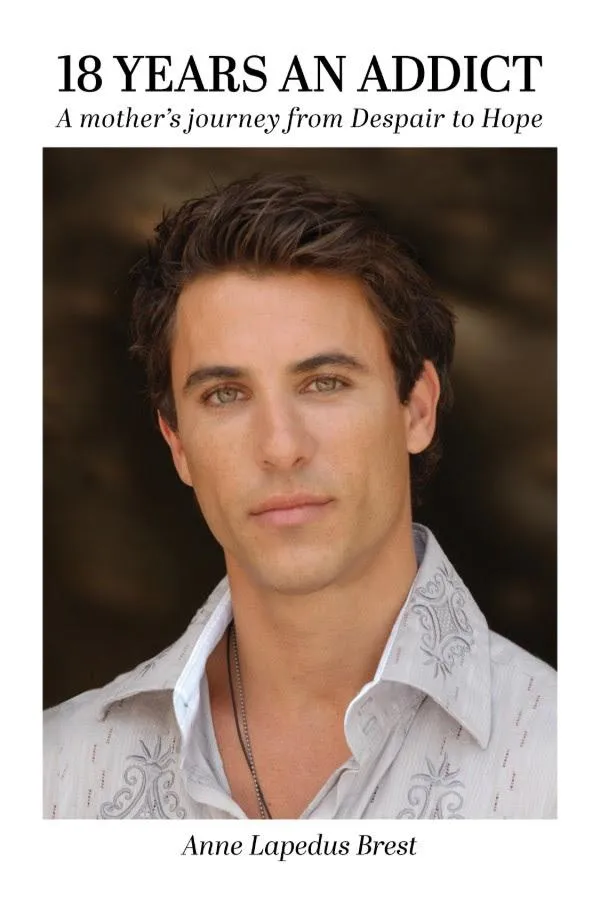
In 18 Years an Addict, Anne Lapedus Brest writes with unflinching honesty about the emotional, physical, and spiritual toll of loving a child battling addiction.
Image: supplied
One of the most confronting truths Brest noted is that you cannot force someone to heal.
“You cannot force your child into rehab,” she revealed. “It’s only going to end one way… they’ll run away, become worse, or use it in secret.”
It’s a statement that challenges the popular narrative of “tough love". Instead, she spoke about endurance, patience and something far less glamorous: waiting for the moment of surrender.
That moment came in 2019.
After years of cycling through temporary recovery, her son made a different choice. No ultimatums.
“He was sick and tired,” Brest admitted. “They can’t lie anymore… they can’t live the double life anymore.”
Today, he is seven years clean.
Central to her son’s recovery was the 12-step programme, a globally recognised framework rooted in accountability, community and self-reflection.
“It’s tools for life,” Brest explained. “They learn about their emotions… they make amends, they apologise, and they pay back their dues.”
This idea of repair is critical. Addiction fractures relationships. Recovery, at its best, rebuilds them.
Brest recalled how Greg contacted people he had wronged, repaid debts, and re-entered the world not just as "clean" but as someone actively healing.
“They become solid citizens. Responsible. Present.”
And for families, that shift is everything.
In South Africa, addiction continues to cut across class, race, and geography. Substances like tik (methamphetamine) have devastated communities, particularly in the Western Cape. But as Brest pointed out, addiction does not discriminate.
“Rich or poor, black or white… anybody is susceptible,” she said.
At the same time, newer forms of digital dependency addiction, like online gambling, are beginning to mirror similar behavioural patterns: secrecy, withdrawal, and emotional volatility.
The conversation is evolving. But the emotional core remains the same: disconnection.
If there is one thread that runs through Brest’s story, it’s this: hope is not a feeling. It’s a practice.
“I want people to know that they’re not alone,” she says. “As black as it may seem… There is hope.”
It’s not a neat, polished hope. It’s messy. It coexists with doubt, anger, and grief. But it stays.
Healing doesn’t happen on a timeline. That love doesn’t always look like saving someone. Sometimes, it looks like surviving them.
“And sometimes, if you’re lucky, you get them back.”