

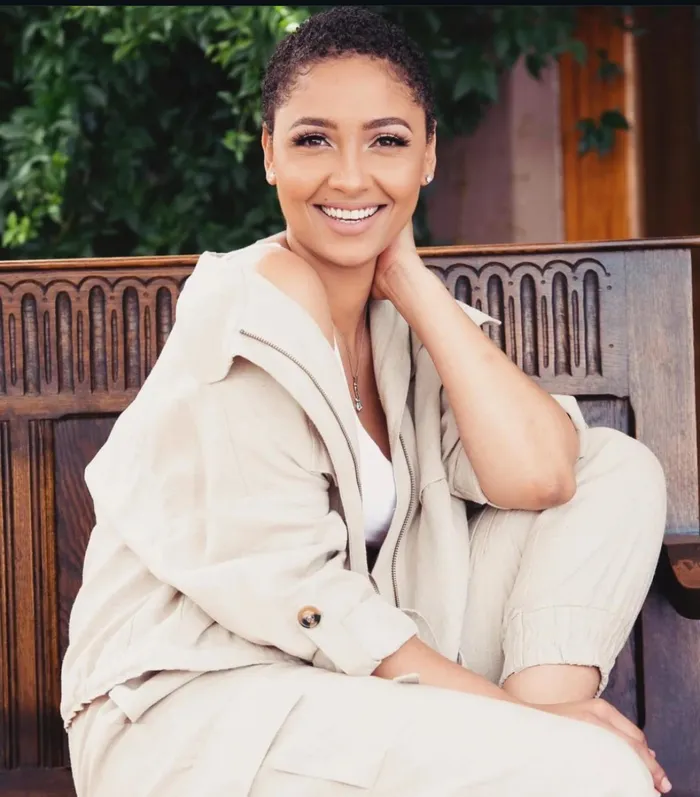
As marriage is increasingly questioned by modern women, Jo-Anne Reyneke's bold views spark a crucial conversation about autonomy, partnership, and the evolving nature of love in a contemporary context.
Image: Instagram
Marriage has long been regarded as the ultimate milestone of love, stability, and partnership. A union that promises lifelong companionship, emotional fulfilment and societal approval.
Yet, a growing number of women across cultures, age groups, and social structures are boldly stepping forward to proclaim: “Marriage just isn’t for me.”
South African actress Jo-Anne Reyneke recently added her voice to this evolving narrative. Best known for her roles in "Muvhango" and "Bad Influencer", Reyneke candidly shared her perspective on marriage as a guest on "The Konvo Show" podcast with Penuel Mlotshwa.
Her words sparked a firestorm of debate online, with women reflecting on their own experiences, fears, and frustrations about the institution of marriage.
But why now? Why is this conversation resonating so deeply with modern women? And what does it mean for the evolving dynamics of tradition, love, and equality?
The weight of tradition: “It’s just not fair.”
Reyneke’s views on marriage stem from what she observed growing up. For her, marriage appeared to strip women of individuality and autonomy.
“All the married women were lesser than their men; they were almost shadows,” Reyneke remarked during the interview.
“Even the concept of being a bride, where you're expected to do certain things for your husband’s family, but he does nothing for yours. You’re his slave. You are bought, you have to change your last name while your surname dies out.”
In African cultures, it is layered further.
The old saying “indoda ayibuzwa uba ivelaphi” often code for accepting infidelity with grace still shapes how marriage is taught. Women are encouraged to “endure”, “stay”, “build”, and “hold the family together,” even when the relationship harms them emotionally.
One TikTok user commented after the actress's interview aired:
“Marriage now looks like a humiliation ritual.” This is the emotional climate Reyneke was speaking into.
The “Bad Influencer” star revealed that what pushed her away from marriage wasn’t trauma from her own past; it was watching women around her become shadows of themselves.
Much of South Africa agreed.
Married commenters wrote:
• “Marriage is made to solely benefit men.”
• “We pay the highest price in everything.”
• “I tell my daughters marriage is not an achievement.”
Others shared hope:
• “I grew up watching my parents hold hands at 40 years of marriage, so I still believe in love.”
This is the duality of modern womanhood: love is beautiful, but marriage is not always safe.
Her perspective challenges the very foundation of these norms. Her stance is not an attack on marriage itself but a critique of how it has been structured to benefit men disproportionately at the expense of women.
The modern woman is no longer willing to accept marriage as a one-sided sacrifice. Instead, she’s asking, “What’s in it for me?” For many, the answer is not enough.
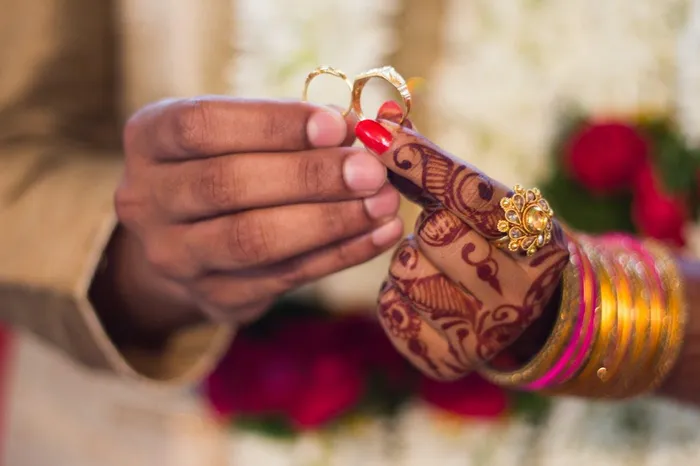
Discover why many are saying, "Marriage just isn’t for me."
Image: Kumar Saurabh /pexels
Marriage is now seen as more of a risk than a reward. Women are realising that the emotional labour, physical sacrifices, and societal expectations often outweigh the benefits.
Social media has amplified this conversation, with women sharing their stories and frustrations about marriage:
@okwenene Sisipho wrote, “When someone calls me ‘wife material,’ I get so offended. Why should I fit into a box to please a man?”
@ShandukaNdaba said, “I have NEVER seen a marriage that made me feel like it’s worth it. Even the good ones.”
@DeeDeeScrolls added:“Men need to understand that marriage is a choice for BOTH partners. It’s not an obligation for women.”
At the heart of these reflections is a desire for equality, fulfilment, and partnership, not servitude or sacrifice. Many now realise that marriage often falls short of the idealised portrayals in fairy tales and romantic comedies.
Instead of perfect soulmates and grand gestures, real-life relationships come with unexpected challenges. This disillusionment is further fueled by rising divorce and infidelity rates, with nearly 40% of South African marriages ending within the first decade.
For many women, fear is a powerful force driving their hesitation toward marriage. Fear of losing themselves. Fear of failure. Fear of becoming trapped in a situation that diminishes their worth.
I’ve seen marriages destroy people. I’ve watched people turn into shells of themselves. You always think, ‘That won’t be me.’ But it happens to real people just like you.
This fear is compounded by societal shifts. Women today are more financially independent, career-driven, and vocal about their needs than ever before. They’re no longer willing to settle for marriages that don’t serve them.
Despite her personal views, Reyneke acknowledges that marriage can work for some people. “There are people who were made for marriage,” she said. “I support their decisions, although it’s not for me.”
The answer lies in personal choice. Whether you choose to marry or remain single, the key is to create a life that reflects your values, needs and desires.