

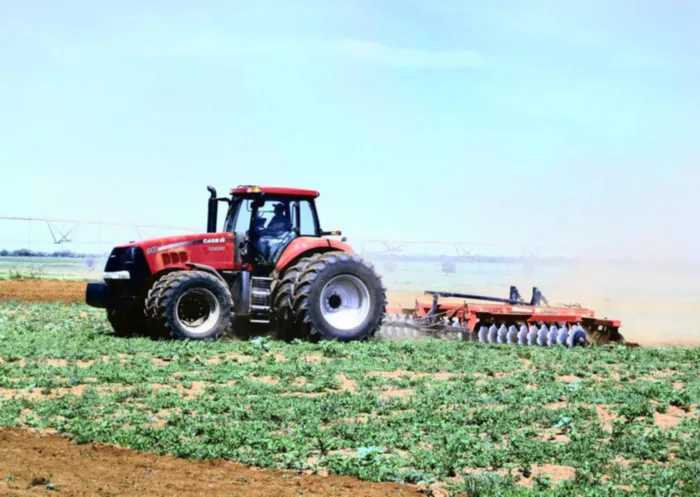
When land reform is effectively implemented, it can be instrumental in reducing poverty, creating jobs, and establishing sustainable livelihoods for the majority of South Africans, especially those residing in rural areas, argues Gadija Brown, special advisor at the office of the deputy president.
Image: Independent Newspapers Archives
South Africa’s democracy has reached its thirtieth year, yet for millions living in rural communities, the promise of transformation remains incomplete. The recent National Rural Development Indaba in Mangaung, Free State, underscored this reality. Far from being a routine policy conference, the gathering became a moment of national reflection on the unfulfilled aspirations of rural South Africans.
A Single, Interdependent Economic System
During the closing address, Deputy President Paul Mashatile captured the essence of the challenge: “Thirty years of our development-based democracy have taught us that we cannot develop rural and urban economies separately. Our rural areas supply food, labour, energy, and natural resources. Our urban centres provide markets, technology, finance, and services. These are bound together in a single economic system.”
This statement highlights a truth that policymakers and citizens alike must confront. Rural development is not a side project, but the unfinished core of South Africa’s democratic journey.
The experiences of rural women, emerging farmers, young people, traditional leaders, and community organisers reveal that rural development is fundamentally about restoring dignity and opportunity. It is about sustainable livelihoods, food security, and fair growth. Traditional leaders remain vital partners, managing communal land, mediating disputes, and mobilising communities.
The Role of Government and the District Development Model
On the other hand, government has a central role in rural development. Its task is to invest in infrastructure, deliver essential services, implement land reforms, and support agricultural productivity. Through these measures, rural communities can become inclusive, resilient, and economically vibrant.
This is where the District Development Model (DDM) becomes integral to our rural development efforts. Traditional leaders and government connect within the DDM through integrated planning frameworks and intergovernmental coordination structures. The model brings traditional leadership, municipalities, and all three spheres of government together to co-develop a single, long-term “One Plan” and joint budget for each district.
Eradicating Inefficiencies Through Integrated Planning
This integrated approach aims to end inefficiencies such as housing without roads or water systems without maintenance. This approach is particularly crucial for rural South Africa, as poor planning and isolation heavily contribute to rural underdevelopment. A farmer may receive land, but without roads, financing, irrigation, electricity, storage facilities, or access to markets, that land cannot become economically productive. The DDM recognises that development challenges are interconnected and must therefore be solved through integrated planning and implementation.
As Deputy President Paul Mashatile has stated, "Rural transformation cannot succeed in a vacuum." There must be deliberate efforts by all sectors to correct a historic injustice and ensure that democracy is felt not only in our institutions and laws but also in the lived reality of every village and every rural household across our country.
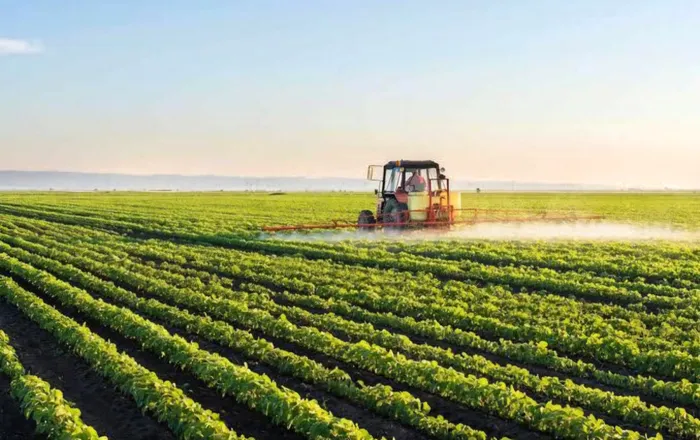
South Africa’s democratic transformation remains incomplete without urgent rural development. To lift rural communities out of poverty, the author advocates for moving beyond subsistence farming into a competitive agricultural sector, accelerating land reform with proper post-settlement support, empowering rural women, and strengthening rural safety to attract investment.
Image: Independent Newspapers Archives
Moving Beyond Subsistence Farming
The Deputy President calls for an end to the division between rural and urban development, promoting integrated spatial planning. He highlights the importance of sustainable rural development, linking it to the prosperity of urban areas, which depend on contributions from rural producers. This holistic approach is vital for equitable growth, acknowledging agriculture as central to rural economies in South Africa, driving food security, job creation, and land reform, whilst addressing poverty and inequality.
However, the Deputy President emphasises that subsistence farming alone cannot lift rural communities out of poverty, advocating instead for a competitive agricultural sector that creates jobs, supports agro-processing, integrates emerging farmers into value chains, and enhances food security while stimulating economic growth.
Accelerating Land Reform and Tenure Security
At the centre of this transformation lies land reform. Land reform is about dignity, productive participation, economic inclusion, and correcting historical injustice while ensuring future economic sustainability. The Inter-Ministerial Committee on Land Reform and Agriculture, chaired by the Deputy President, is currently working to reflect this broader understanding.
Significant progress has already been made. Since 1998, more than 88,300 land claims have been settled. Approximately 659,602 hectares of state land have already been allocated, bringing us close to the presidential commitment to release 700,000 hectares, with priority given to women and youth beneficiaries.
The Land Court Act has established a specialised institution to address land rights injustices and streamline dispute resolution. It is commendable that government consultations continue around the Equitable Access to Land Bill and the Communal Land and Administration Bill, both of which seek to provide greater tenure security and unlock the economic potential of communal land.
Millions of South Africans continue to live on communal land without adequate tenure security or functioning administrative systems. Without tenure certainty, households struggle to invest confidently, leverage land productively, or build intergenerational wealth. At the same time, we must recognise that land reform alone cannot succeed without comprehensive post-settlement support.
Placing Rural Women at the Core of Transformation
Mzwanele Nyhontso, the Minister of Land Reform and Rural Development, emphasised that rural development involves historical and moral considerations, underscoring the gender-specific nature of rural poverty, as 47% of rural households are led by women.
He recognised rural women as crucial for driving the transformative economic, environmental, and social changes necessary for sustainable development, despite challenges such as limited access to credit, healthcare, and education, which are exacerbated by global crises and climate change.
Empowering these women is vital for individual, family, and community well-being, as well as for enhancing overall economic productivity due to their significant role in agriculture. The empowerment of rural women must never be treated as a secondary issue. It is central to the meaning of our democratic project.
Prioritising Rural Safety and Social Cohesion
Another critical issue that caught my attention at the Indaba was rural safety and social cohesion. Development cannot thrive in an environment where people are constantly fearful. Rural crime, stock theft, gender-based violence, and insecurity discourage investment and weaken the bonds of our communities.
Addressing rural safety requires a comprehensive strategy beyond policing. Key actions include strengthening rural policing through specialised units, empowering community safety structures, and fostering collaboration among SAPS, traditional leaders, and local government. Without safety, there is no stability, and consequently, there is no investment.
Conclusion: Delivering on the Promise of Transformation
The future of South Africa will not only be decided in our cities, boardrooms, or financial centres. It will also be decided in villages, farms, communal areas, townships, and rural districts across our country.
Rural development is the unfinished democratic project South Africa can no longer delay. It is the bridge between heritage and progress, dignity and prosperity. If democracy is to be real, it must be felt not only in our institutions but also in the lived reality of every village and rural household. South Africa’s future depends on whether it can finally deliver on the promise of rural transformation.
Rural transformation is the decisive frontier, the place where promises of dignity, inclusion, and prosperity must finally be delivered. Therefore, empowering rural women, securing land rights, integrating traditional leadership, and ensuring sustainable livelihoods are the very essence of democracy fulfilled.
(Brown: Special Adviser, Office of the Deputy President. Her views do not necessarily represent those of the Sunday Tribune or IOL)
For more thought-provoking perspectives visit the Sunday Tribune and follow us on Facebook, Instagram and X
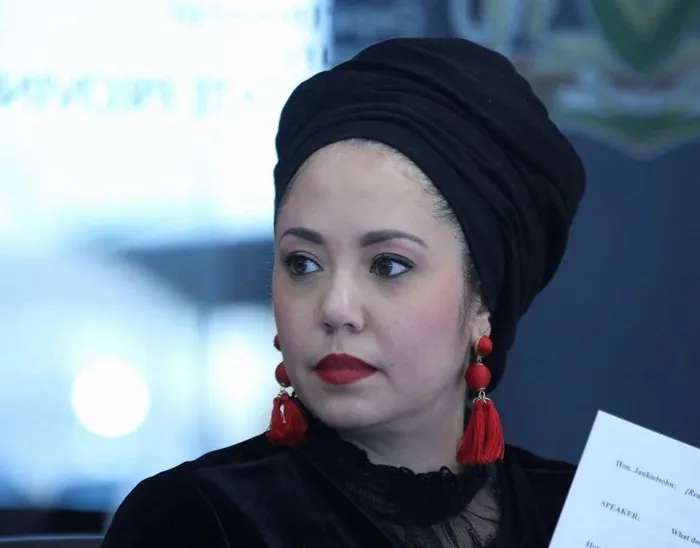
Gadija Brown is Special Advisor in the Office of Deputy President
Image: Supplied